Building A Strong Design Practice: From Vision To Lasting Impact
In Asia’s evolving design landscape, a firm’s influence is measured not only by the projects it delivers, but also by the ideas, people, and principles that shape its work over time.
An iconic building can capture attention, and a distinctive interior can redefine an experience. Yet behind individual achievements lies a larger question: what enables a design practice to deliver meaningful work consistently, across different projects, contexts, and generations?
As Asia’s built environment evolves, strong practices distinguish themselves through more than creative talent. They combine a clear design philosophy with technical expertise, collaborative culture, and the ability to respond to changing social, environmental, and economic needs. Individual projects demonstrate a firm’s capabilities; the practice behind them determines how those capabilities develop and endure.
The Thinking Behind Consistent Design Excellence
A compelling portfolio tells only part of a firm’s story. Equally important is the thinking that connects its projects.
A strong design practice has a distinct point of view without relying on a repetitive visual signature. Its principles guide decisions while allowing each project to respond to its location, users, and purpose. This might mean integrating nature into dense urban environments, reinterpreting local heritage, or exploring more responsible approaches to materials and construction.
The ability to translate creative ambition into practical outcomes is considerable. Architecture and design depend on collaboration among designers, engineers, manufacturers, clients, and communities. A practice’s strength lies in how effectively it brings ideas from research and concept development to implementation and long-term use.
Across Asia, where rapid urbanization intersects with climate challenges, cultural diversity, and changing lifestyles, this balance between vision and adaptability is particularly valuable.
Asian Practices, Distinctive Perspectives
Three Asian practices demonstrate how different approaches to design can build a recognizable identity while addressing broader industry challenges.
Singapore-based WOHA integrates architecture, landscape, and environmental thinking into its approach to urban development. Projects such as Oasia Hotel Downtown and Kampung Admiralty demonstrate how greenery, communal spaces, and ecological considerations can become integral to high-density buildings. At Kampung Admiralty, the integration of housing for seniors, healthcare facilities, and public spaces also illustrates how architecture can support community life and intergenerational interaction.
The lesson is that a strong design philosophy can extend beyond aesthetics to address urban liveability, environmental performance, and social needs. By applying connected principles across different projects, a firm can build a coherent identity while responding to practical challenges.
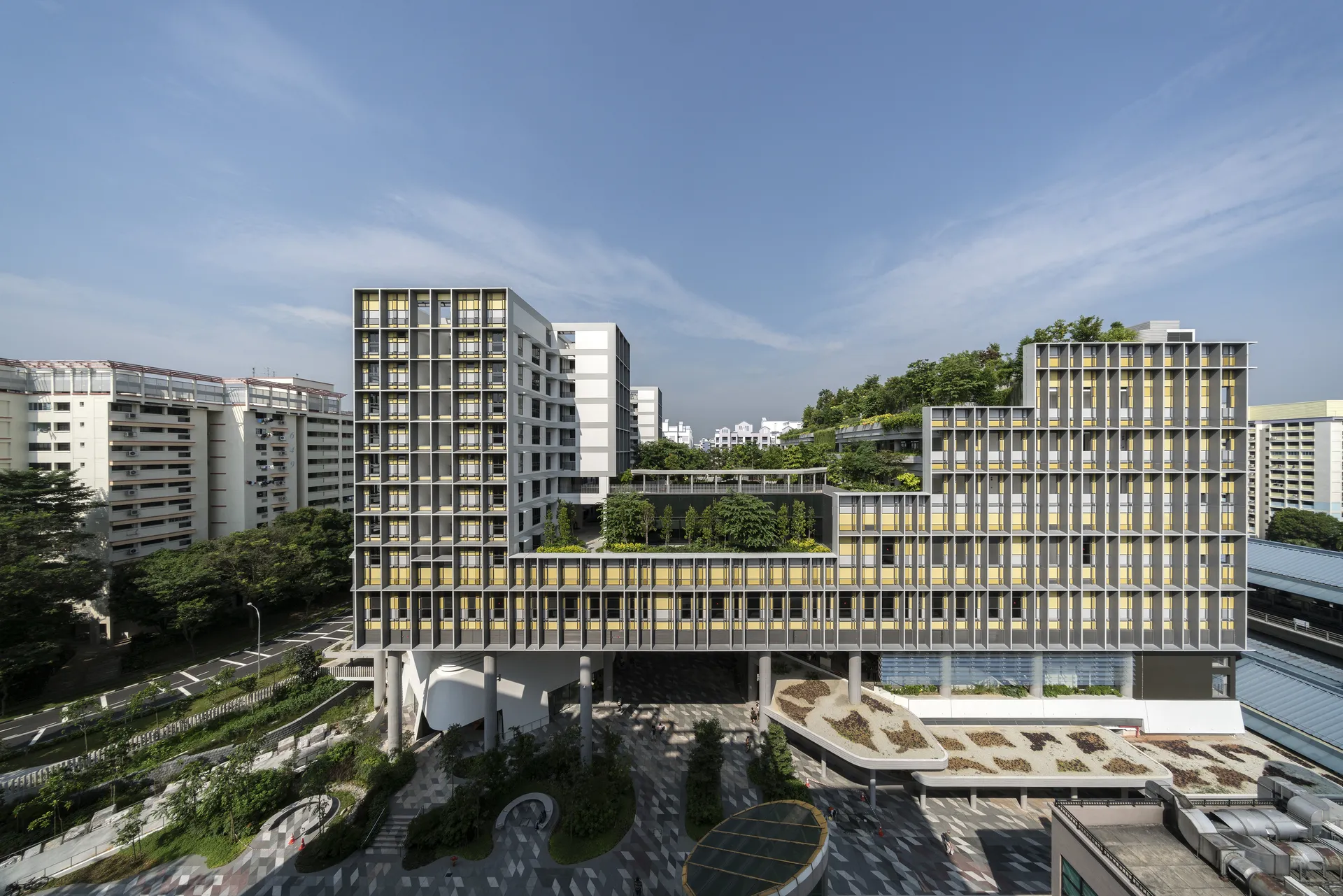 Kampung Admiralty. Photo Credit: Darren Soh
In Thailand, HAS Design and Research, founded by Jenchieh Hung and Kulthida Songkittipakdee, explores Asian architectural language through a parallel approach to design and research. Its work draws inspiration from the relationship between nature and the built environment, including the improvised structures and everyday patterns found in Asian cities. Projects such as Aluminum Grotto and Public Ground in Bangkok demonstrate how material experimentation and architectural form can transform the experience of a space.
HAS highlights the value of research as an ongoing part of practice rather than a preliminary step in the design process. Through investigating local conditions, materials, and urban phenomena, firms can develop ideas that are both distinctive and relevant to their surroundings.
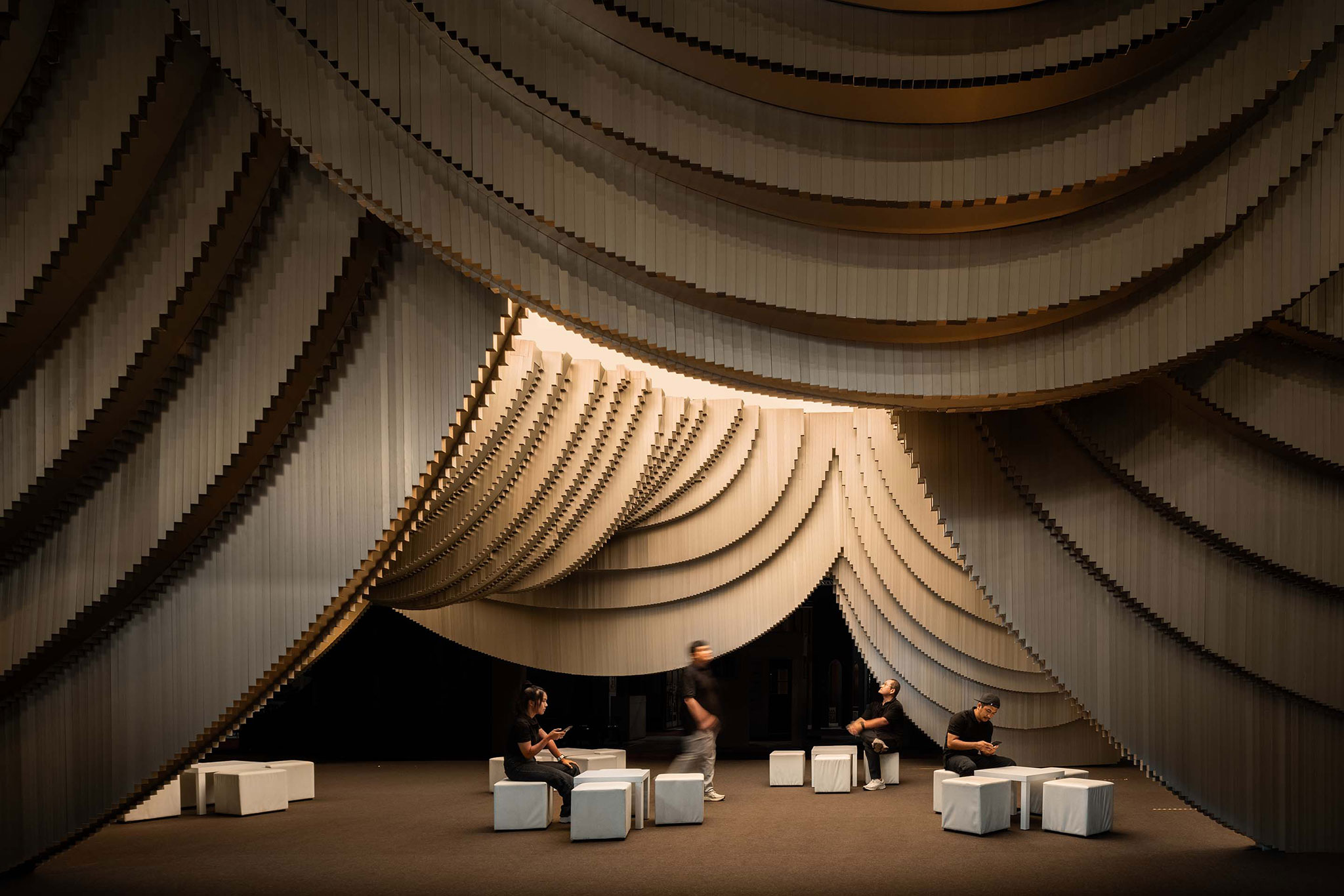 Aluminum Grotto and Public Ground. Photo Credit: DOF Sky|Ground
Meanwhile, B.L.U.E. Architecture Studio, established in Beijing by Japanese architects Shuhei Aoyama and Yoko Fujii, explores the intersection of urban environment, culture, and contemporary lifestyles. Its portfolio spans architecture, interiors, product design, and urban renewal. Among its projects are the renovation of a historic Suzhou residence into a shared urban space and the transformation of a century-old house in Kyoto into a guesthouse.
These interventions illustrate how existing buildings and neighborhoods can become starting points for new forms of use. Rather than treating context as a constraint, a practice can use it as a source of design opportunities.
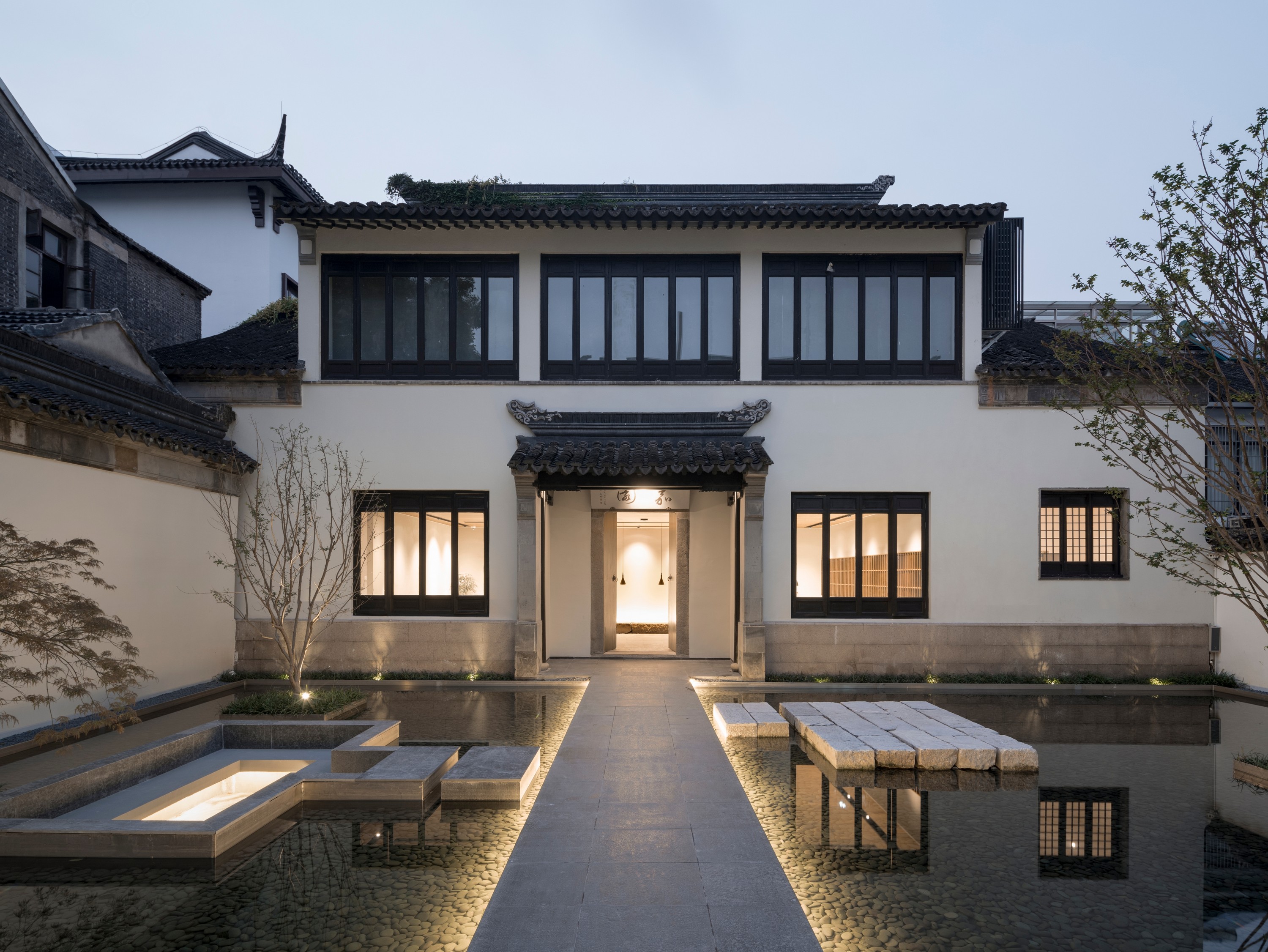 Historic House Renovation in Suzhou. Photo Credit: Eiichi Kano
Together, these examples offer three complementary lessons: integrate environmental and social thinking, make research a driver of innovation, and respond thoughtfully to the character of each place. None depends on repeating a signature style. Each demonstrates how a consistent way of thinking can produce varied, context-sensitive outcomes.
Building Capability Beyond the Finished Project
A practice’s reputation also depends on what happens behind the scenes. Talent development, knowledge sharing, interdisciplinary collaboration, and effective working processes all influence the quality of future projects.
When expertise is shared across a team rather than concentrated in a few individuals, a firm is better equipped to sustain its standards as it grows. Innovation, meanwhile, does not always require a dramatic new form or the latest technology. It can mean refining construction methods, selecting more responsible materials, improving accessibility, or reducing environmental impact.
Three principles can help firms strengthen their foundations:
Define a clear design philosophy. Establish principles that distinguish the practice while allowing it to respond to different contexts.
Invest in collective expertise. Develop people, processes, and partnerships that turn creative ideas into effective outcomes.
Evaluate impact over time. Consider how projects serve users, perform environmentally, and contribute to their communities.
Ultimately, a strong practice is defined not by the volume of its portfolio, but by the quality of its thinking and the influence it sustains.
Recognizing the Practice Behind the Projects
As the industry places greater emphasis on long-term capability and collective achievement, awards have an important role in recognizing the organizations that move architecture and design forward.
The 2027 Asia Architecture Design Awards (AADA) celebrates excellence across architecture, interior, and furniture design, while also recognizing the firms behind outstanding work.
Its dedicated firm disciplines include:
Asia’s Best Firm in Architecture Design
Asia’s Best Firm in Interior Design
Asia’s Best Firm in Furniture Manufacturing & Retailing
These disciplines provide architecture practices, interior design studios, and furniture businesses with an opportunity to showcase their expertise, creative direction, and contributions to their respective fields.
For a region as diverse as Asia, this recognition helps bring different approaches and achievements into a wider professional conversation. It can strengthen a firm’s visibility and credibility, create opportunities for professional connections, and encourage practices to continue developing their ideas and capabilities.
Beyond celebrating established achievements, AADA motivates firms to reflect on what distinguishes their work and how their contributions can influence the industry’s next chapter. Recognition becomes not only an acknowledgement of past accomplishments, but also an incentive to keep exploring, collaborating, and raising professional standards.
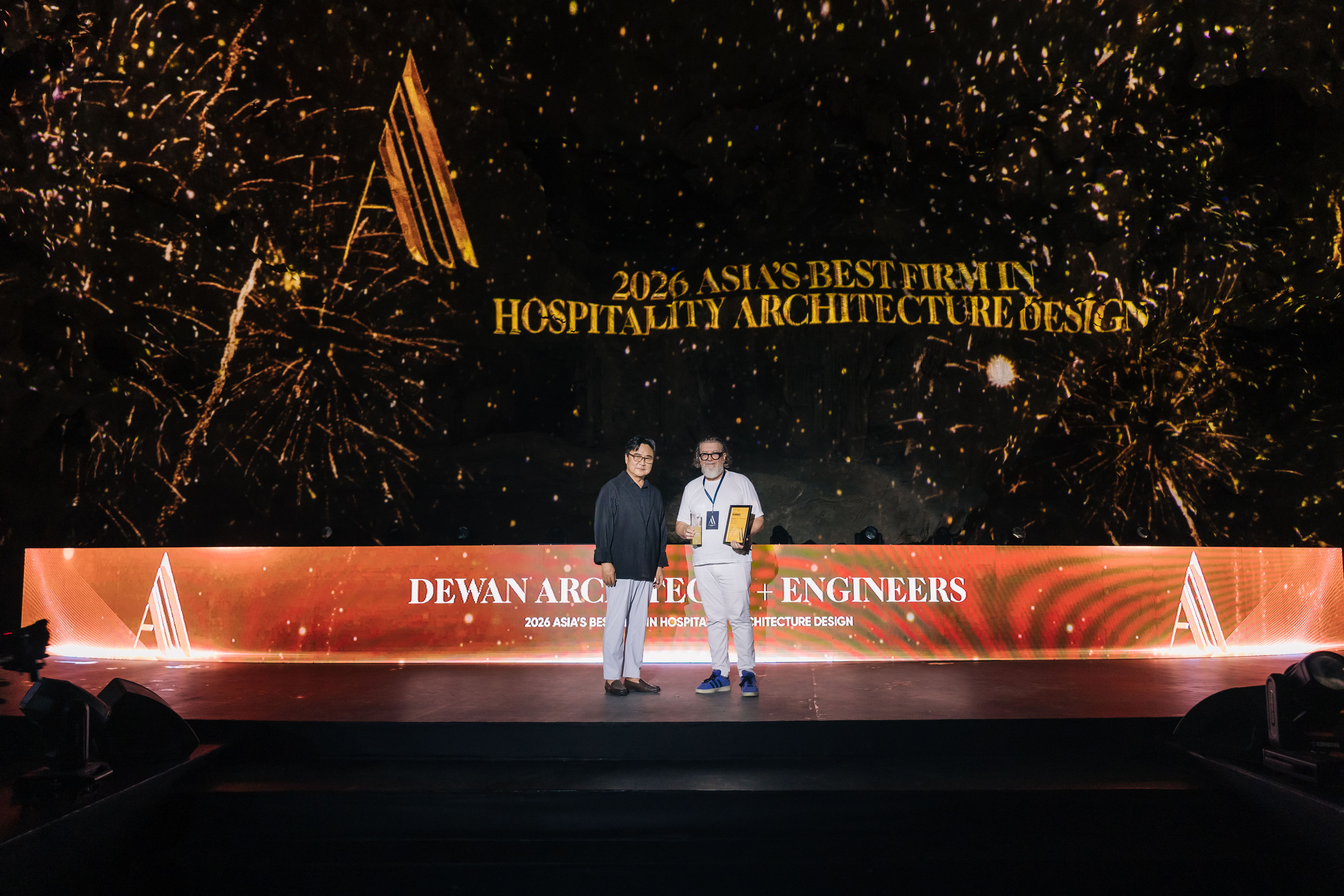
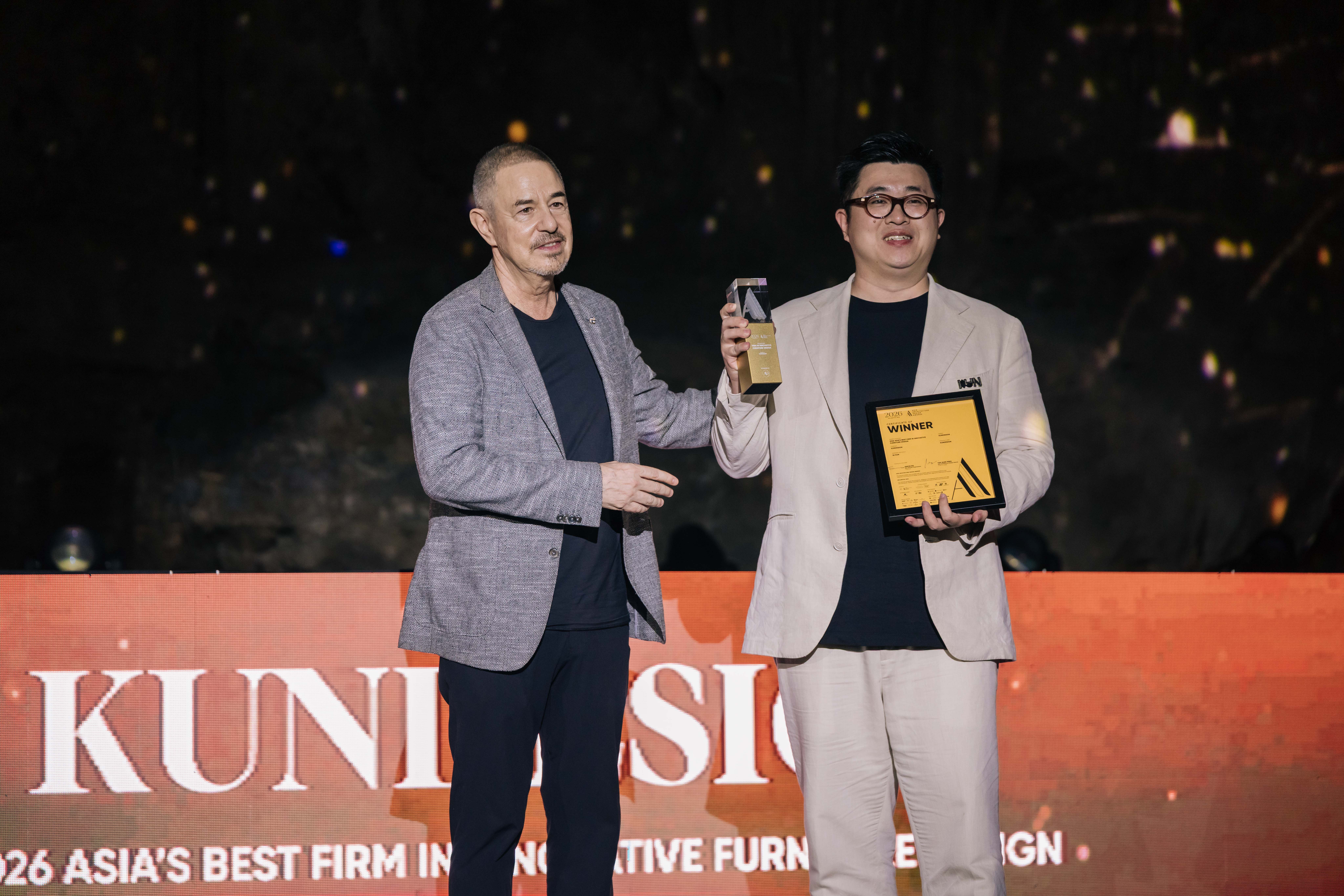 Winner of 2026 Asia’s Best Firm in Innovative Furniture Design. Photo Credit: Asia Architecture Design Awards
Redefining the Future of Asian Design
The future of Asian architecture and design will be shaped by practices that combine creative ambition with responsibility, cultivate talent, and respond meaningfully to the needs of people and places.
Under the theme “Visionary Asia”, the 2027 AADA provides a prestigious stage where architecture and design firms across the region share the work, expertise, and principles that define their DNA.
With entries open until 25 February 2027, firms are invited to explore the categories and submit their achievements at aadawards.com.