
Designing Hospitality For Asia's Next Generation Of Travellers
Asia’s next generation of travellers is already changing the brief for hospitality. They are not simply looking for younger versions of traditional hotels, nor are they defined by age alone. They are travelling more frequently, choosing experiences with greater intention, and placing increasing value on flexibility, local character, wellbeing, and meaningful connection.
For hospitality operators, the implication is significant: designing for the next generation is less about adding more technology or creating visually striking spaces, and more about rethinking what a hotel is expected to provide.
Recent research illustrates the scale of the shift. Agoda’s 2026 Travel Outlook found that 73% of Asian Gen Z travellers plan to take between one and six trips a year, while 86% prefer stays of one to seven days. Their leading travel motivations include cultural exploration (32%), outdoor activities (30%) and culinary discovery (28%), with 64% also seeking relaxation.
Meanwhile, Hilton’s 2026 South East Asia research found that 59% of regional travellers expect to spend more per trip, while Gen Z is leading growth in travel frequency, longer stays and destination discovery. Value for money and food experiences remain among the strongest influences on destination choice.
The message is clear: the next generation is travelling differently.
From hotel to lifestyle ecosystem
One of the most visible consequences is the rise of hospitality spaces that operate as social and lifestyle ecosystems rather than self-contained accommodation.
CBRE’s 2026 report Gen Z Checks In: The Rise of the Lifestyle Hotel identifies lifestyle hotels as one of the fastest-growing segments in global hospitality. In Asia Pacific, the category remains relatively underpenetrated, but new supply is expanding rapidly. CBRE attributes its appeal to Gen Z’s preference for experiential travel, authentic local culture, distinctive design, community-focused spaces, and seamless technology over standardized hotel experiences.
Mama Shelter Singapore illustrates this shift. Located in the heart of Orchard Road, the hotel combines accommodation with a highly social ground-floor environment centered around a restaurant, island bar, and raised stage. Rather than treating public areas as transitional spaces between the entrance and guestrooms, the property gives them their own energy and identity, making the hotel relevant to both staying guests and the wider city.
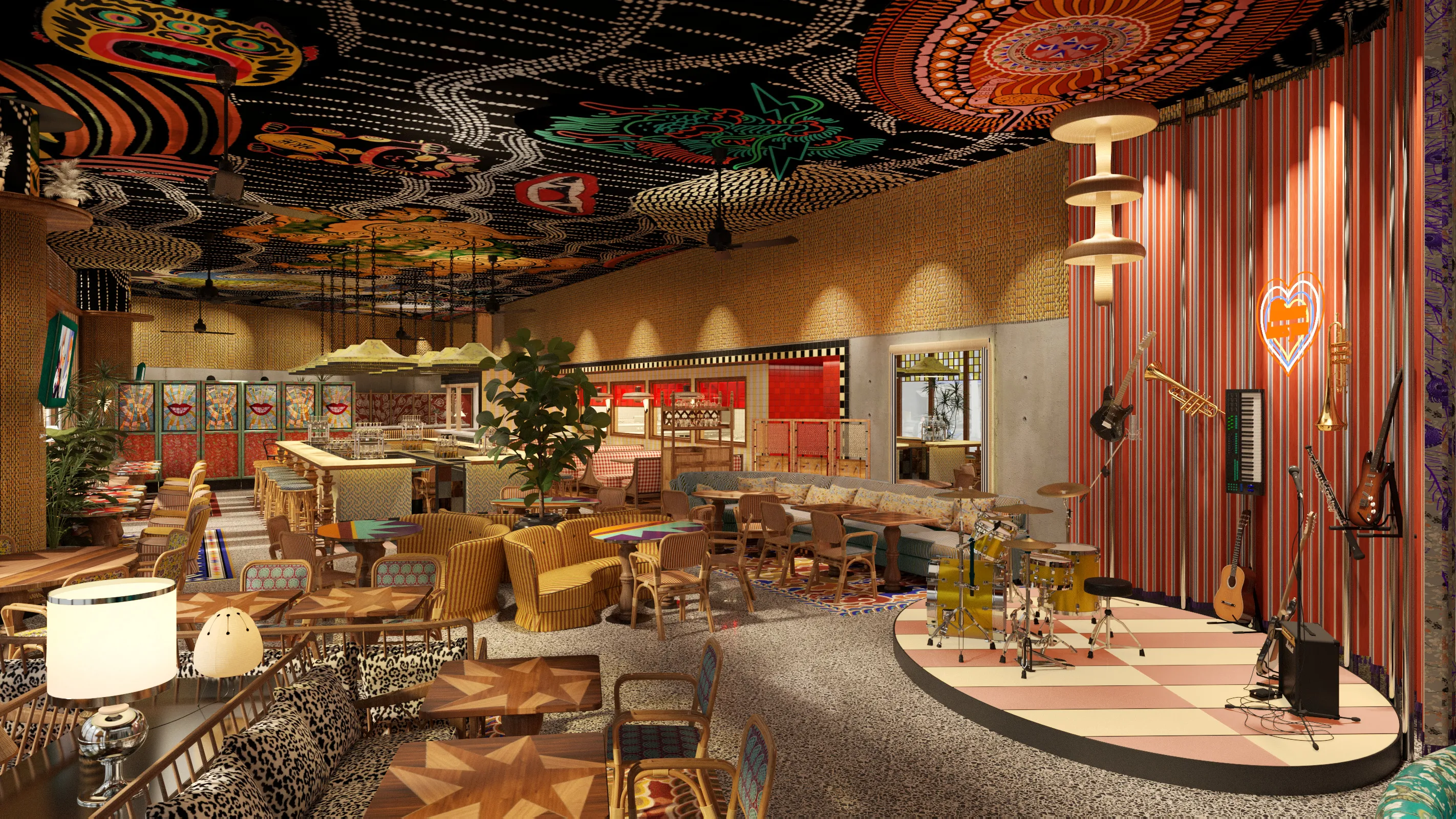 Photo Credit: Mama Shelter
This is increasingly important as younger travellers blur the boundaries between travel, work, and social life. A hotel can become a place to meet friends, work remotely, discover local food, attend an event or simply spend time, even without spending the night.
The implication for design is straightforward: the spaces between the guestrooms may become as important as the guestrooms themselves.
Designing for discovery, not just destination
The next generation is also changing how destinations are chosen.
Agoda’s research suggests that Gen Z increasingly selects trips around experiences rather than simply choosing a destination first. Cultural exploration, outdoor activities, and culinary discovery are among the strongest motivations.
This creates an opportunity for hospitality to become an active gateway into its surroundings.
Desa Potato Head in Bali offers a strong example. Its approach extends beyond accommodation into food, music, art, wellness, and sustainability, while its programmes and spaces are closely connected to Balinese culture and community. The property has positioned itself not simply as a resort but as a cultural destination, with sustainability embedded into its operating philosophy and creative programming. Tatler Asia recognized the property for innovation, particularly its approach to environmental and community-focused hospitality.
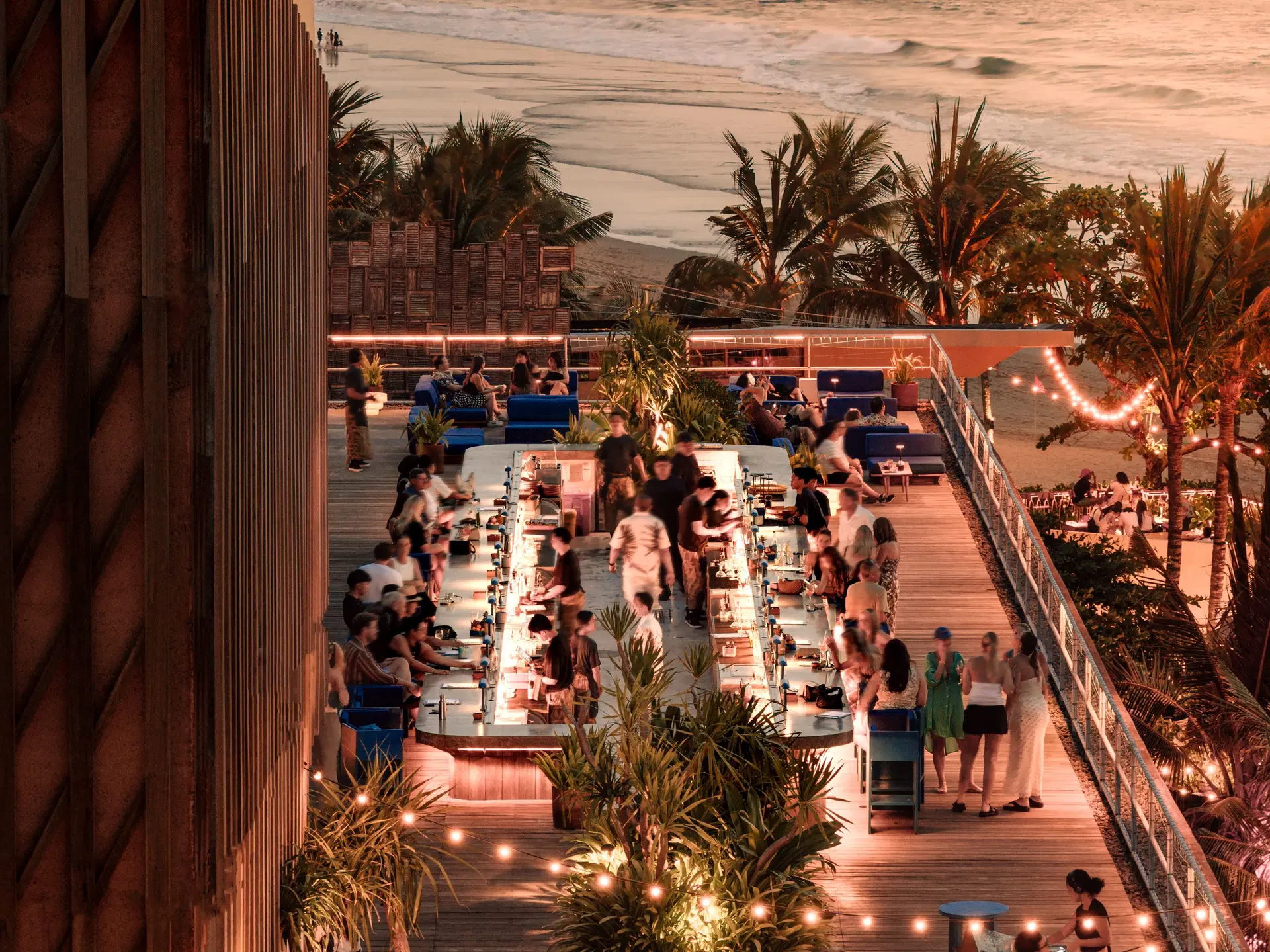 Photo Credit: Desa Potato Head
For hotels in emerging destinations, this model offers an important lesson. Local identity does not have to mean reproducing traditional motifs or creating a heavily themed interior. It can emerge through partnerships with local makers, food, art, music, architecture, landscape, and experiences that give guests a reason to engage with the destination.
In this context, place becomes part of the product.
Technology should create freedom, not distance
Digital fluency is another defining characteristic of the next generation, but the strongest hospitality experiences will not necessarily be the ones with the most technology.
Hilton’s 2026 global trends research found that 73% of travellers value digital check-in, while its broader research points to a growing preference for technology that gives guests greater control and convenience.
At the same time, Expedia Group’s 2026 APAC research found that 59% of travel professionals expect booking through AI-powered tools and non-traditional platforms to become more important, while 97% expect to use AI in some form in the future.
For hospitality, this creates a delicate balance. Mobile check-in, digital keys, AI-assisted recommendations, and personalized planning can remove friction, but technology should not become a substitute for human hospitality.
The better question is not “How digital can the hotel become?” but “Where can technology give guests more freedom while allowing people to focus on the moments that matter?”
A seamless digital arrival, for example, can give a guest more control while freeing staff to spend meaningful time helping them discover the neighborhood, arranging a special experience or simply having a conversation.
Wellness becomes part of the stay
For younger travellers, wellbeing is increasingly woven into the entire journey rather than confined to a spa.
Travel can be about slowing down, reconnecting with nature, eating well, moving, sleeping better, or simply creating distance from everyday routines. Hilton’s 2026 Trends Report found that travellers are increasingly choosing trips based on emotional motivations such as rest, reconnection, and meaningful experiences. Nearly half of respondents said they add extra travel days to create time for themselves.
Across Asia, this is encouraging hotels to integrate wellness into architecture, landscape, food, and programming.
Andaz Bali, for example, has been recognized in Smart Travel Asia’s 2026 reader poll as Asia’s Best Lifestyle Hotel. Its appeal reflects a broader movement towards hospitality that combines contemporary design with a strong sense of place, social spaces, and a resort environment that encourages guests to experience Bali rather than simply stay within a conventional hotel framework.
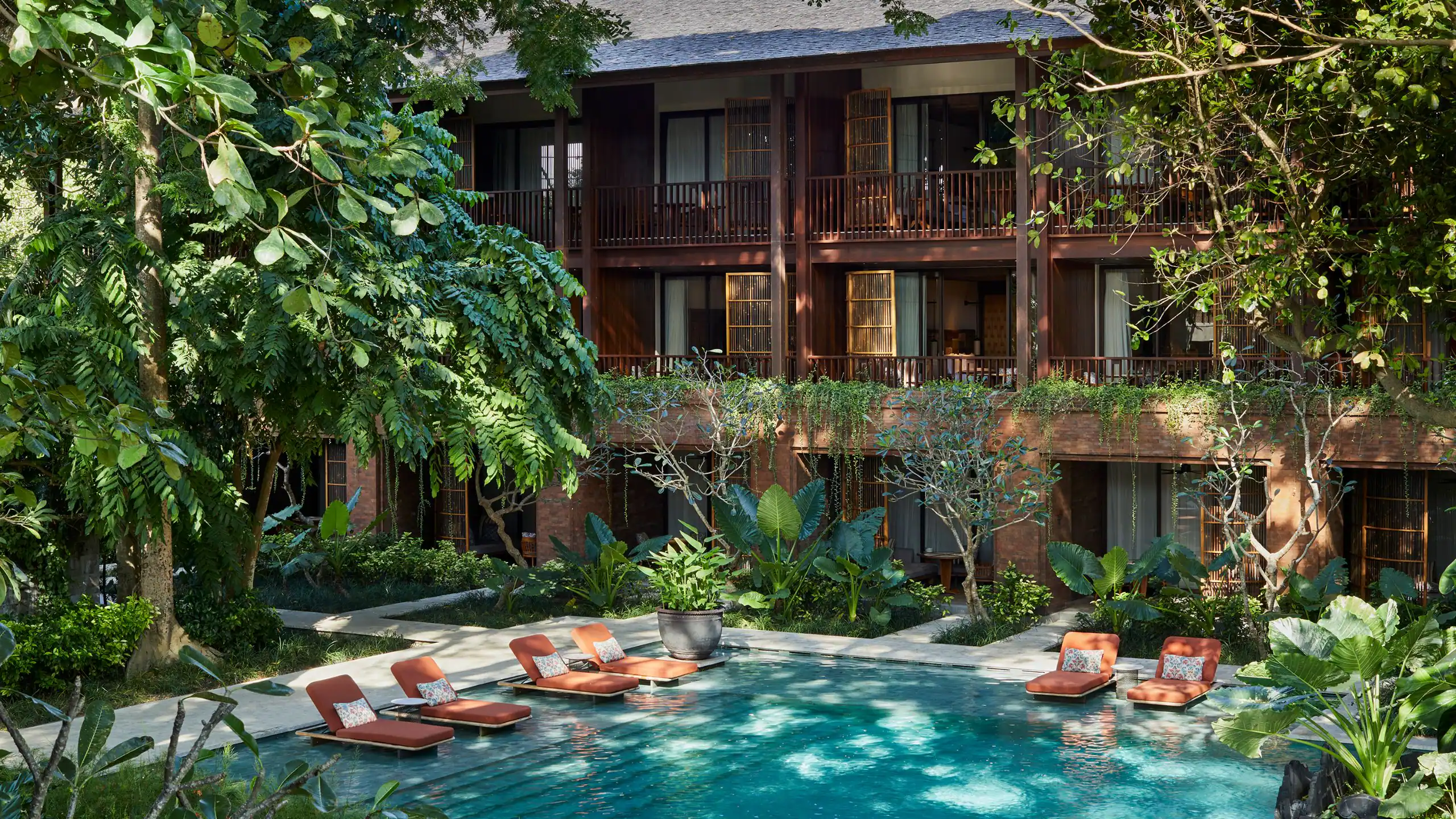 Photo Credit: Andaz Bali
The opportunity is to make wellbeing feel less like an amenity and more like an underlying design principle through natural light, greenery, outdoor connections, quieter spaces, movement, healthy dining, and flexible guest routines.
Sustainability needs to be experienced
The next generation is also bringing higher expectations around responsible travel.
Agoda’s 2026 Sustainable Travel Survey found that 77% of Asian travellers consider sustainability important when making travel choices, up from 68% the previous year. The research also found growing interest in experiences that protect nature and support local communities.
For hospitality, this means sustainability increasingly needs to move beyond operational systems that guests never see.
Six Senses Ninh Van Bay in Vietnam offers a more nature-led approach, integrating conservation into the guest experience through its environmental programmes, local sourcing, wildlife protection, and community initiatives. Set within a protected coastal landscape, the resort makes its relationship with the surrounding ecosystem part of the stay itself, allowing guests to experience sustainability through the destination rather than simply being told about it.
This distinction matters for the next generation, for whom sustainability can increasingly be part of the value of an experience - not simply a corporate responsibility statement.
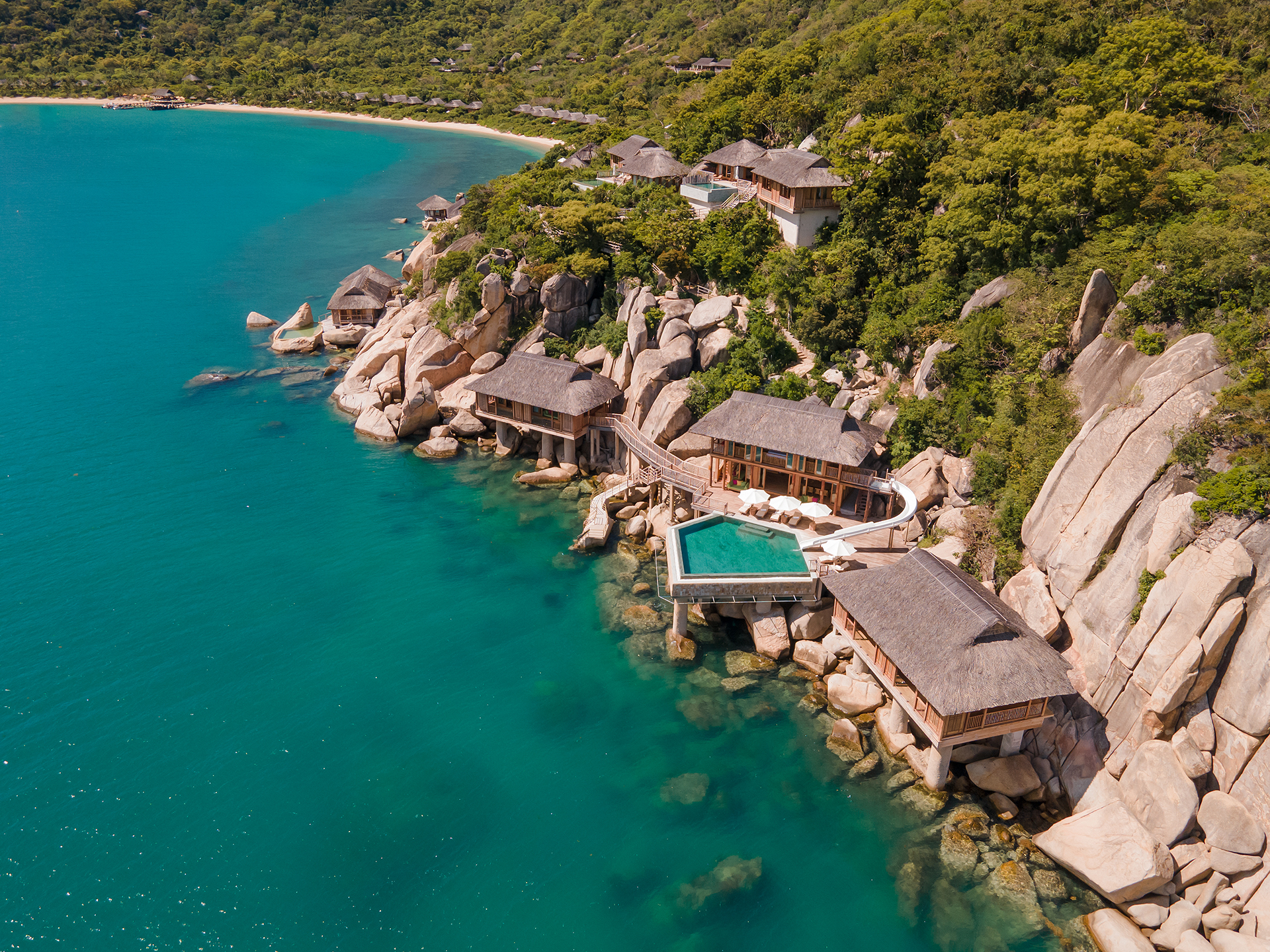 Photo Credit: Six Senses Ninh Van Bay
Designing for a more intentional traveller
Perhaps the most important shift is that younger travellers are looking for more relevant experiences. They may spend on a memorable meal instead of a larger room, choose a neighborhood hotel over a conventional business district property, or take several short trips built around specific interests rather than one traditional annual holiday. That creates a broader definition of hospitality value.
A successful hotel for Asia’s next generation might therefore be a place where guests can check in digitally but discover the city through a local guide; work independently but meet people over dinner; exercise without entering a conventional gym; or experience sustainability through food, design, and community rather than through signage alone.
The challenge is not to design a hotel specifically for Gen Z, because the generation itself is too diverse to be reduced to a single aesthetic or behavior. Marriott’s recent research similarly cautions against treating Gen Z as one homogeneous group, pointing instead to varied definitions of luxury and travel preferences among younger affluent travellers in Asia Pacific.
Instead, the opportunity is to design for the behaviors emerging around them: greater flexibility, stronger curiosity, digital confidence, cultural discovery, social connection, and a more intentional approach to wellbeing.
The properties that respond to these shifts will not necessarily look alike. Some will be urban and energetic; others quiet and nature-led. Some will be highly digital; others deliberately analogue. What they share will be an ability to understand why people travel, and translate those motivations into meaningful places.
As Asia’s hospitality landscape continues to expand, that adaptability may become the defining competitive advantage.
Looking ahead
The next generation of travellers is not asking hospitality to become more complicated. It is asking it to become more relevant.
The opportunity for hotels, resorts, restaurants, wellness destinations, and lifestyle properties is to create experiences that respond to how people actually want to travel today: with greater freedom, stronger connections to place, more room for discovery, and a clearer sense of personal meaning.
This is also where the next chapter of Asian hospitality is being written.
Under the theme “Visionary Asia”, the 2027 Asia Hospitality Awards celebrates the properties, experiences, and hospitality leaders imagining what comes next - across hotels, resorts, lifestyle and wellness, cruise and yacht, and special achievement.
2027 AHA is now Open for Entry. If your hospitality experience is shaping a more thoughtful, distinctive, and forward-looking Asia, this is the time to share its story.
Enter the 2027 Asia Hospitality Awards and be part of the next generation of hospitality.


