From Green Claims To Guest Experience: Making Sustainability Tangible

Sustainability has become a familiar feature of hotel websites, booking platforms, and brand narratives. From commitments to reduce carbon emissions to promises of plastic-free stays, environmental responsibility is now firmly embedded in the language of modern hospitality. Yet, as travellers become more discerning, simply communicating green intentions is no longer enough. The real distinction lies in translating those commitments into tangible actions that improve destinations, support local communities, and enrich the guest journey.
For hotels and resorts, this calls for a more integrated approach: one in which conservation becomes an experience, responsible sourcing shapes the dining proposition, circular practices influence everyday operations, and community partnerships create opportunities for genuine cultural connection.
Across Asia, a growing number of hospitality businesses are demonstrating how sustainability can move beyond operational checklists to become an essential part of the experience itself.
Conservation That Guests Can Experience
Nature is among Asia's greatest tourism assets, from its tropical coastlines and marine ecosystems to its ancient forests and diverse wildlife. Protecting these environments is therefore not only an ecological responsibility but also an investment in the long-term appeal of destinations.
Increasingly, hotels are connecting conservation initiatives with opportunities for guests to understand and participate in environmental stewardship.
At JW Marriott Khao Lak Resort & Spa, marine conservation is an integral part of the guest experience. Through its partnership with Oceans for All Foundation, the resort supports the rehabilitation and release of endangered brownbanded bamboo sharks into the Andaman Sea. In July 2026, the programme celebrated the release of its 69th and 70th sharks. Guests can learn about marine biodiversity through educational sessions with conservation specialists and participate in selected release activities, turning environmental awareness into meaningful experiences.
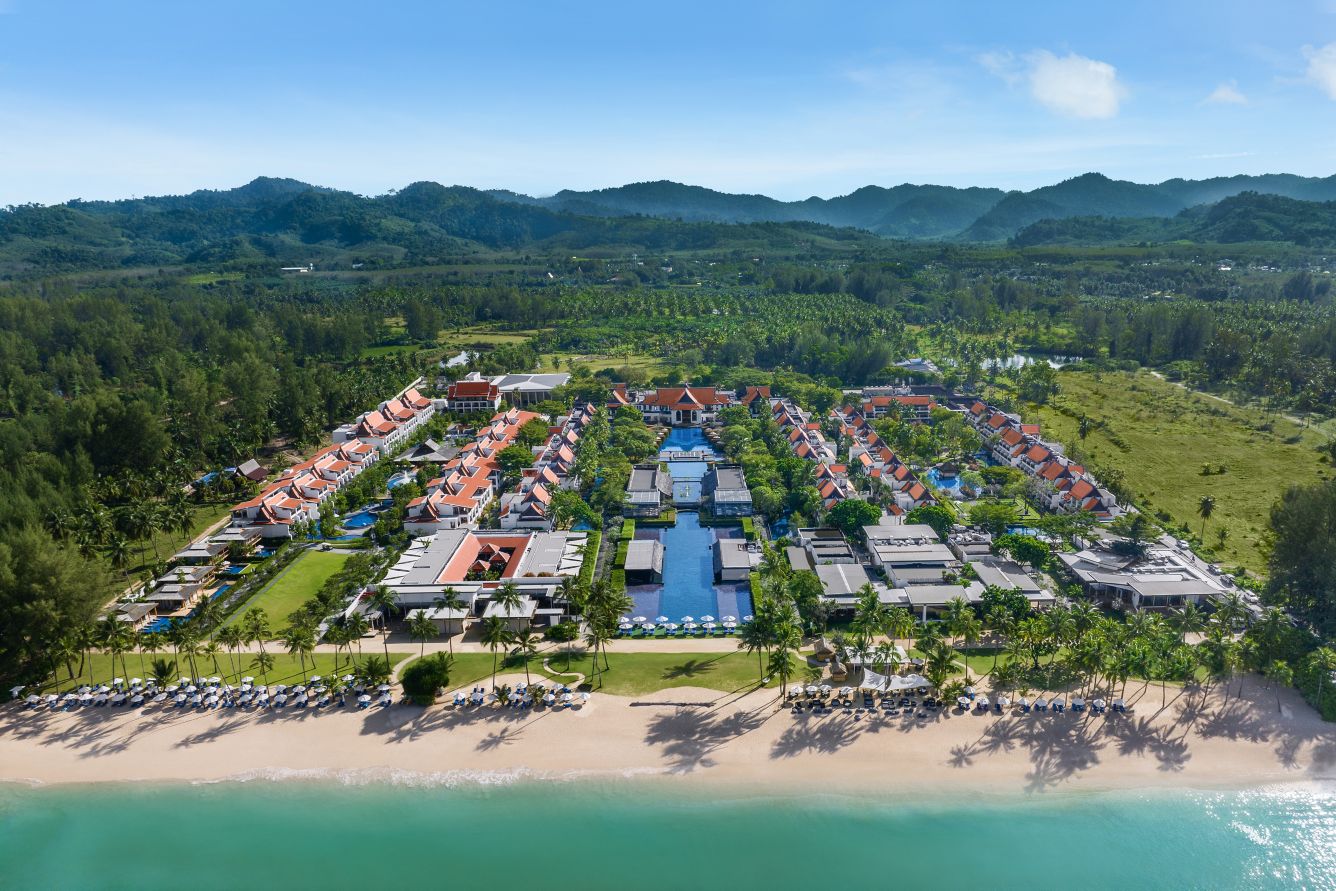
Photo Credit: JW Marriott
Similarly, The Datai Langkawi demonstrates how environmental stewardship can become part of a destination's identity. Through The Datai Pledge, launched in 2020, the Malaysian resort brings together rainforest and marine conservation, responsible tourism, and community engagement. Its partnership with EarthCheck also provides a framework for measuring operational performance. Reported figures include one litre of waste sent to landfill per guest night and potable water consumption of 1,000 litres per guest night, representing a 37% year-on-year reduction.

Photo Credit: Frog & Wolf PR
These examples illustrate an important shift: conservation is no longer something that happens behind the scenes. When guests can learn about local ecosystems, meet conservation practitioners or take part in carefully managed activities, environmental protection becomes a more personal and memorable dimension of travel.
From Farm to Table: Making Local Sourcing Part of the Experience
Food offers another powerful connection between sustainability and hospitality. By working with local farmers, fisheries and independent producers, hotels can reduce the distance between supply and consumption while strengthening regional food systems.
More importantly, locally sourced dining gives guests a direct introduction to the agricultural traditions, ingredients and culinary identities of the places they visit.
At Six Senses Bhutan, this philosophy extends beyond seasonal menus into agricultural development. The property's eco-village initiative in Damchena brings together local farmers, organic cultivation, and educational activities, with the aim of increasing the availability of locally grown produce and reducing reliance on imported ingredients. Guests can experience the process firsthand, from harvesting seasonal ingredients to participating in cooking classes and enjoying meals prepared with produce from the gardens. The initiative also supports knowledge-sharing around organic farming, nutrition, and recycling within the local community.
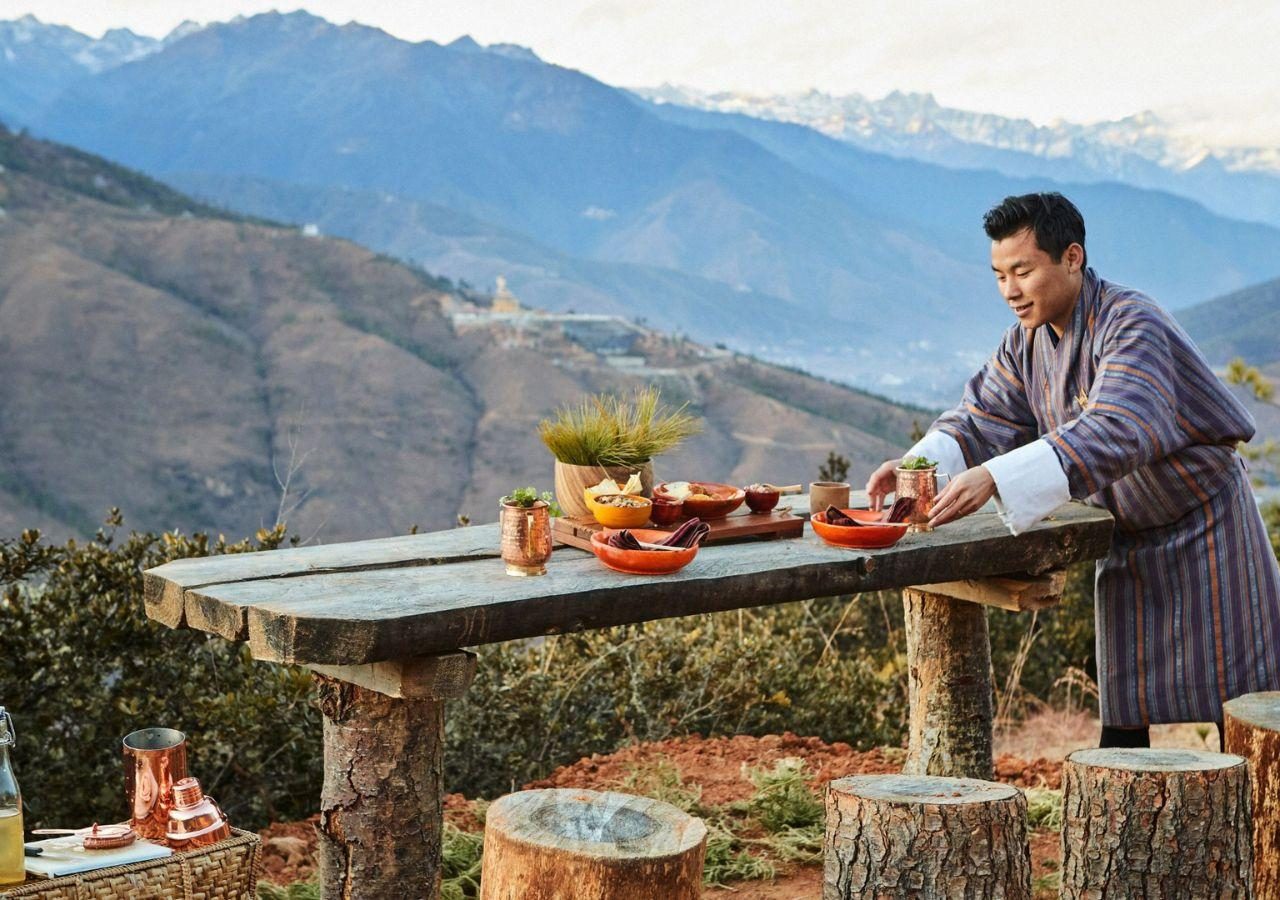
Photo Credit: Six Senses Bhutan
AYANA Bali has developed a two-hectare organic farm supplying herbs, fruits, vegetables, and edible flowers to restaurants across its 90-hectare integrated resort. The farm creates a closer relationship between cultivation and dining while offering opportunities for guests to understand the origins of their food. In July 2026, AYANA Bali received the ASEAN Green Hotel Award 2026-2028, recognizing its broader efforts in environmental management, resource efficiency, and responsible resort operations.
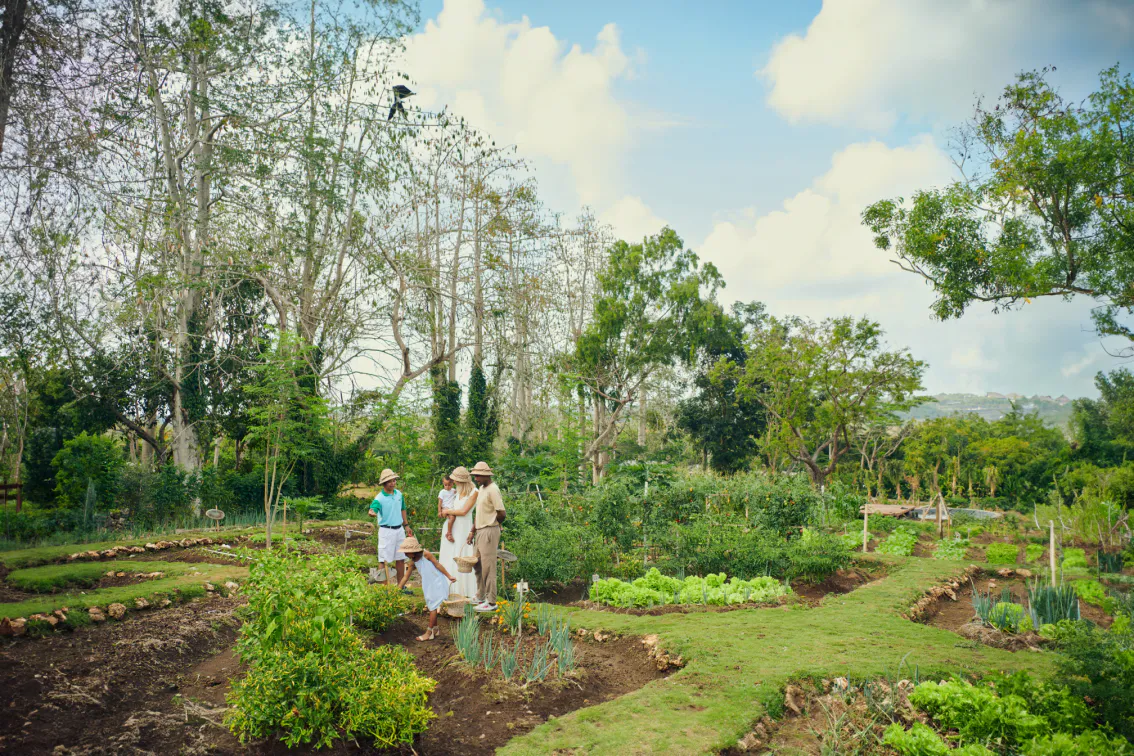
Photo Credit: AYANA Bali
This approach transforms local sourcing from a procurement decision into a storytelling opportunity. A breakfast featuring regional produce, a guided garden visit, or a cooking session with local ingredients can give guests a deeper appreciation of the destination while making responsible consumption feel natural rather than prescriptive.
Circular Hospitality: Giving Resources a Second Life
While conservation protects natural assets, circular resource management addresses the environmental footprint of hospitality itself. Hotels generate substantial volumes of food waste, packaging, wastewater, and discarded materials. Rethinking how these resources are used, recovered and repurposed can create significant environmental benefits without compromising guest comfort.
In the Maldives, Soneva Fushi has developed an extensive Waste-to-Wealth approach through its on-site Eco Centro. Around 90% of the property's solid waste is recycled, with organic waste composted to nourish gardens and support food production. Other materials are separated and reused, while discarded glass is transformed into distinctive artworks at The Glass Studio, where guests can watch glassblowing demonstrations and discover how waste becomes a creative resource.
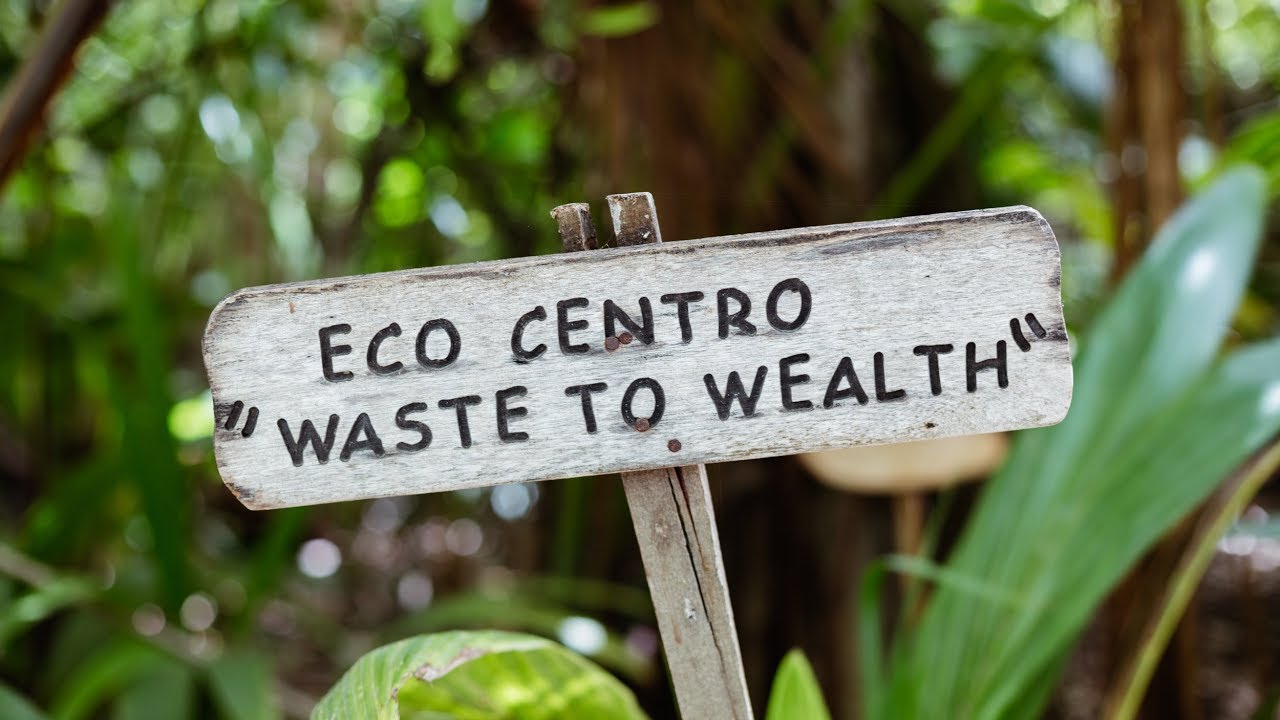
Photo Credit: Alison's Adventures
In Vietnam, New World Saigon Hotel offers another example of circular thinking integrated into everyday hotel operations. Between 2023 and 2025, the hotel diverted 6,047 kilograms of used coffee grounds from disposal, transforming them into 10,200 reusable coffee cups in collaboration with local manufacturers. These cups are sold at the hotel's coffee shop, presented to selected guests and used for takeaway beverages. The property also collected more than 1,143 kilograms of beverage cartons in 2025 through a recycling partnership, helping turn everyday hotel waste into new products.

Photo Credit: New World Saigon Hotel
Meanwhile, at Six Senses Bali, the results of resource-conscious operations are reflected in measurable achievements. In 2025, the resort avoided 104,840 plastic bottles through reusable glass water bottles, diverted 77% of its total waste from landfill and upcycled 1,052 litres of used kitchen oil into biodiesel. Its food rescue partnership also helped provide 11,119 meals to people in need across Bali.

Photo Credit: Six Senses Bali
These initiatives demonstrate that circularity can extend well beyond back-of-house operations. A reusable coffee cup, a refillable water bottle or a visit to an upcycling workshop gives guests a visible connection to the property's environmental practices. Rather than asking travellers to make sacrifices, hotels can introduce thoughtful alternatives that make responsible choices convenient, interesting, and rewarding.
Community Partnerships: The Human Side of Sustainable Travel
A destination's sustainability cannot be measured by environmental performance alone. The livelihoods, cultural heritage and wellbeing of local communities are equally important to the long-term resilience of tourism. Hotels that build meaningful relationships with local stakeholders can create a more inclusive model of hospitality, where economic opportunities, skills development and cultural exchange extend beyond the property.
In Cambodia, Shinta Mani Angkor demonstrates how hospitality can become a pathway to economic empowerment. At the heart of its community model is the Shinta Mani Hospitality School, which provides free vocational training to young people from disadvantaged backgrounds. Students receive tuition, accommodation where needed, meals, learning materials, and practical experience across hotel departments, from culinary operations and housekeeping to front office and spa services. The programme has graduated more than 300 students, reporting a 100% employment rate among graduates.
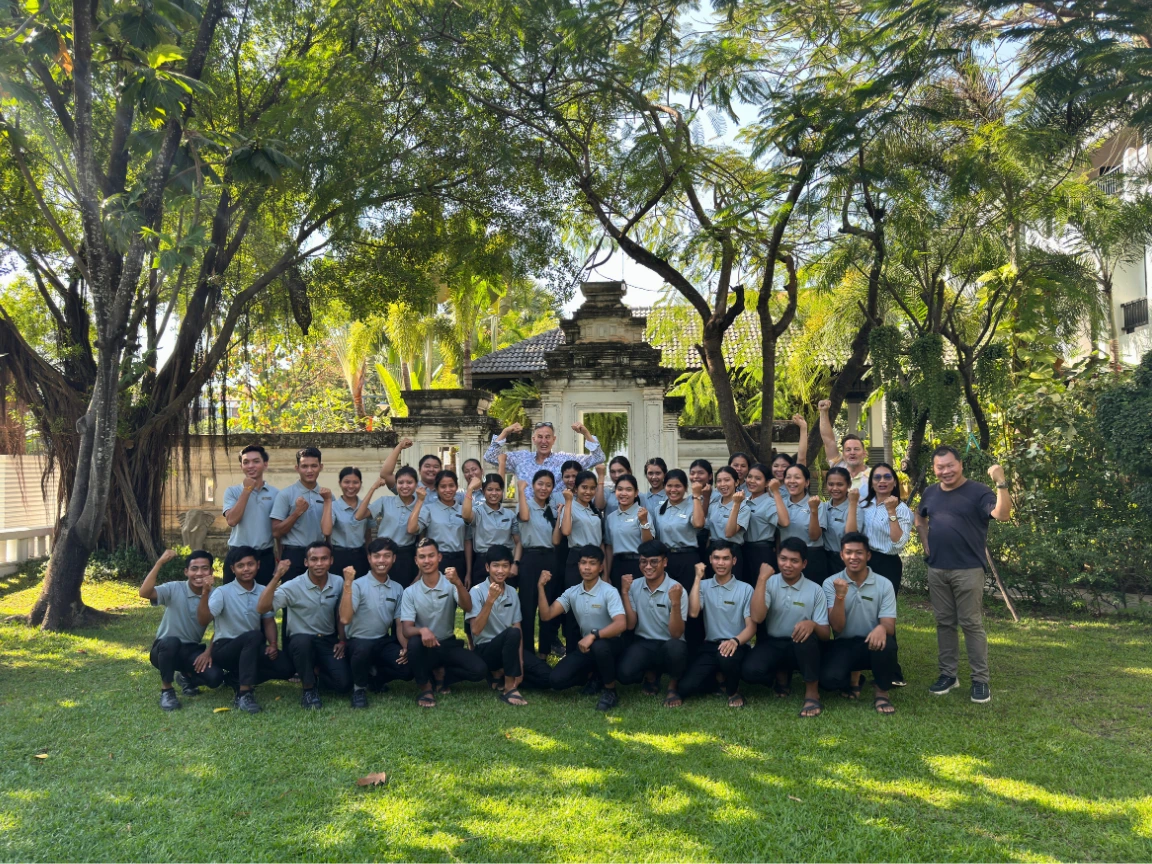
Photo Credit: Shinta Mani Hotels
In Vietnam, Hoiana Resort & Golf illustrates how a large-scale hospitality development can contribute to the wider economic and social fabric of its destination. Through its Hoiana Cares programme, the resort has supported more than 50 community initiatives, contributing approximately US$1.2 million to local causes. Its wider contribution includes close to 3,000 direct jobs, alongside support for schools, vocational training, healthcare, and cultural preservation. These efforts demonstrate how tourism investment can strengthen local employment and community infrastructure while connecting visitors with the character of Central Vietnam.
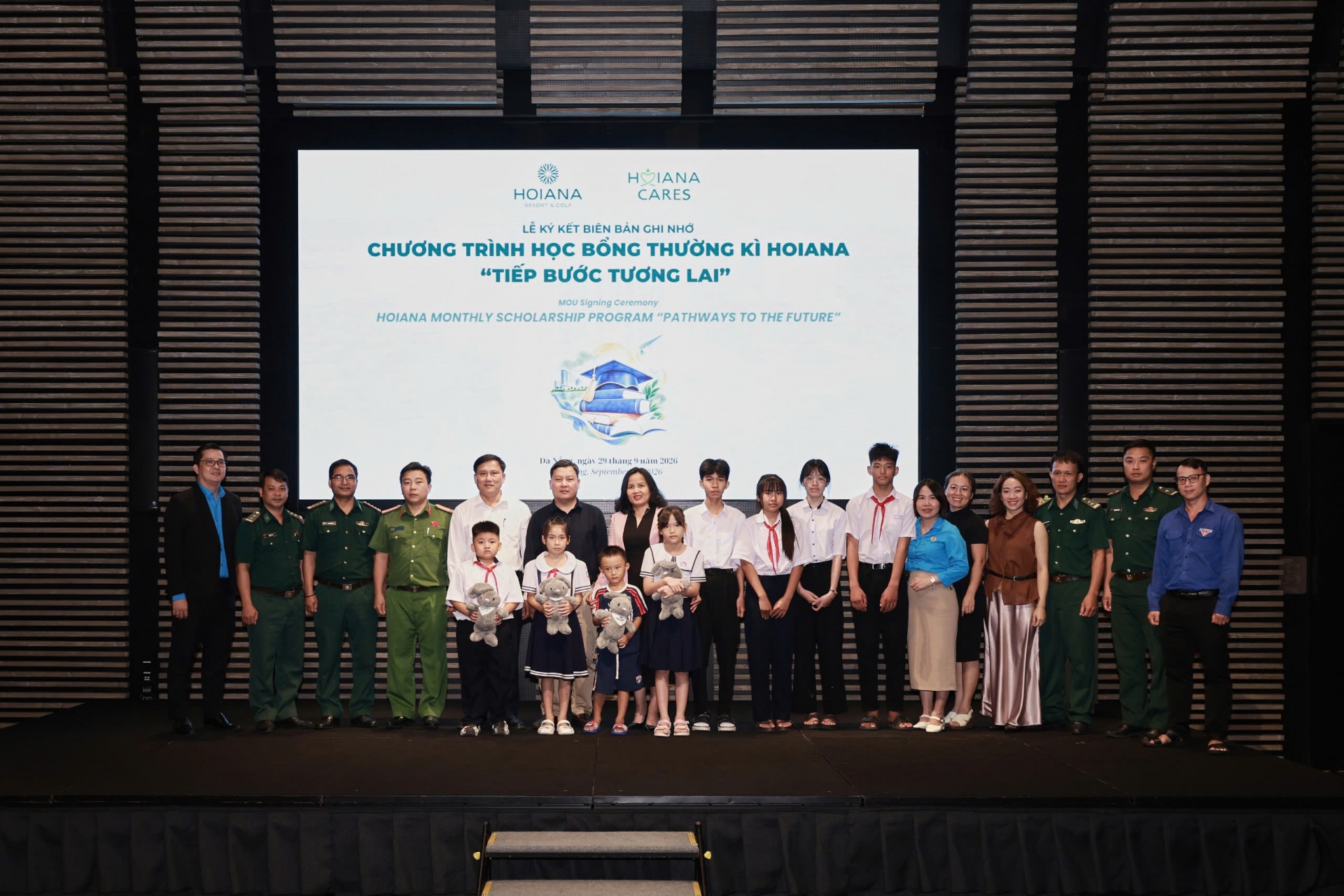
Photo Credit: Hoiana
Meanwhile, Umana Bali, LXR Hotels & Resorts offers an example of how local identity can be embedded directly into the guest experience. During its transformation, the property retained nearly all existing structures and landscapes, while sourcing 80% of its materials and services locally. Indonesian employees account for 98.6% of its workforce, and artisans from surrounding communities contributed handwoven and hand-carved elements that help define the resort's interiors. Here, local partnerships are not simply part of a corporate responsibility programme; they are visible in the design, atmosphere, and everyday experience of the property.

Photo Credit: Umana Bali, LXR Hotels & Resorts
These examples highlight the importance of continuity and genuine participation. Rather than treating community engagement as a one-off charitable activity, successful hospitality initiatives establish long-term relationships that support local suppliers, educators, craftspeople, and emerging professionals. For guests, these connections offer something increasingly valuable: opportunities to experience a destination through its people, traditions, and shared aspirations.
Measuring What Matters: From Sustainability Initiatives to Lasting Impact
As these examples demonstrate, meaningful sustainability requires more than a collection of environmentally friendly activities. It calls for measurable targets, transparent reporting, and a clear understanding of how each initiative contributes to the wider destination.
For hospitality operators, this means looking beyond broad commitments such as reducing waste or supporting local communities. Useful indicators include energy and water consumption per occupied room, waste diversion rates, the proportion of locally sourced ingredients, carbon emissions, biodiversity outcomes, and the number of local people benefiting from community programmes.
AYANA Bali's 854 kWp solar energy capacity, Six Senses Bali's 77% waste diversion rate, and The Datai Langkawi's reduction in potable water consumption illustrate how measurable indicators can translate environmental ambitions into operational accountability.
Equally important is making these results accessible to guests. Sustainability reports, in-room information, interactive workshops, and guided experiences can help communicate the impact behind everyday hospitality decisions. When travellers understand how their stay supports a local farmer, contributes to marine conservation or reduces unnecessary waste, they become more informed participants in the destination's future.
Ultimately, the most successful sustainable hospitality models are those that connect operational responsibility with genuine human experiences. They recognise that environmental protection, cultural preservation, economic opportunity, and guest satisfaction are not competing priorities, but interconnected elements of a resilient hospitality ecosystem.
The Future of Hospitality Is Measured in Meaningful Impact
The evolution from green claims to tangible guest experiences represents a significant opportunity for Asia's hospitality industry. As expectations continue to develop, hotels and resorts will need to demonstrate not only how responsibly they operate, but also how their presence creates lasting value for the destinations they serve.
The strongest examples are already showing the way: conservation programmes that invite participation, dining experiences that celebrate local agriculture, circular systems that turn waste into resources, and community partnerships that ensure tourism benefits reach beyond resort boundaries.
Ultimately, sustainability becomes most powerful when guests do not simply hear about it, but experience its value throughout their journey. That is how hospitality can move beyond responsible operations to create experiences that leave a positive impression on both travellers and the places they visit.
Recognizing the Visionaries Shaping Tomorrow's Hospitality
Under the theme “Visionary Asia”, the 2027 Asia Hospitality Awards celebrates the hotels, resorts, hospitality brands, and industry leaders setting new benchmarks for excellence across Asia. With 30 award categories spanning five disciplines - Hotels, Resorts, Lifestyle & Wellness, Cruise & Yacht, and Special Achievement - AHA celebrates outstanding achievements in service, innovation, authenticity, and corporate social responsibility.
As the industry continues to redefine the relationship between hospitality and sustainability, AHA invites visionary businesses and professionals to showcase the initiatives, experiences, and contributions shaping a more responsible and inspiring future for travel.
Explore the categories and submit your entry at Asia Hospitality Awards. The standard entry deadline is 25 February 2027.