When The Restaurant Becomes The Destination: The New Economics Of Hospitality F&B
Some journeys begin with a landmark. Others begin with a reservation.
A table at a celebrated restaurant can determine where travellers go, how long they stay and what they remember about a place. A chef's interpretation of regional cuisine, an intimate tasting menu, or a dining room that tells a story through architecture and atmosphere can transform a meal into a travel motivation in its own right.
This shift is reshaping the economics of hospitality and food and beverage (F&B). Restaurants, bars, and culinary concepts are increasingly competing not only for customers' spending, but also for their attention, time and willingness to travel. As WATG identifies elevated F&B as a defining hospitality trend for 2026, the opportunity extends beyond hotel dining: independent culinary businesses can become cultural landmarks, strengthen destination identities, and build distinctive brands with commercial value of their own.
For restaurant owners, chefs and hospitality operators, the question is no longer simply how to serve an exceptional meal. It is how to create an experience that gives people a compelling reason to make the journey.
From Somewhere to Eat to Somewhere Worth Going
A destination restaurant does not necessarily need a remote setting, a celebrity chef or an extravagant tasting menu. Its defining quality is the ability to offer something diners cannot easily find elsewhere, whether through cuisine, setting, storytelling, or the combination of these elements.
In Bangkok's Chinatown, Potong demonstrates how cultural heritage can become the foundation of a contemporary culinary destination. Chef Pichaya “Pam” Soontornyanakij transformed her family's century-old Chinese herbal medicine building into a multi-level restaurant that explores her Sino-Thai heritage through modern cuisine. The original building, historical details, and layered dining experience are integral to its identity, connecting the menu with the neighborhood's history.
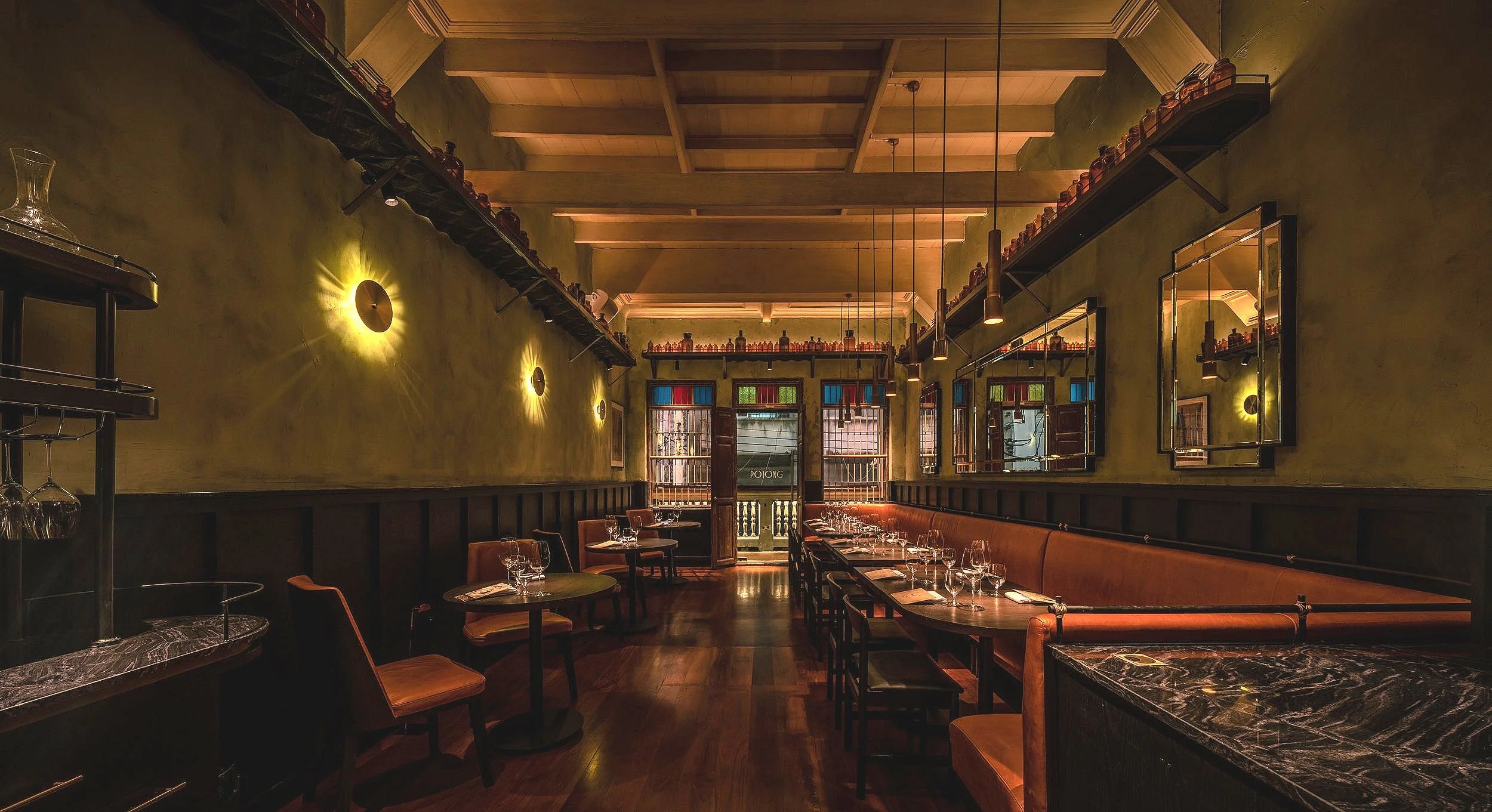 Photo Credit: Potong
The appeal lies in the relationship between food and place. Diners encounter more than a tasting menu; they enter a story shaped by family history, cultural exchange, and architectural preservation.
A different expression of destination dining can be found at Naar. Set in the Himalayan region, Naar has drawn attention for its approach to contemporary Indian cuisine, working with regional ingredients and the culinary traditions of the mountains. Its remote location adds another dimension to the experience, turning the journey into part of the restaurant's appeal.
 Photo Credit: Naar
These examples illustrate two distinct approaches: one draws on urban heritage, while the other builds its identity around regional landscapes and ingredients. Both demonstrate that a restaurant's sense of place can become a competitive advantage, giving travellers a reason to explore beyond familiar itineraries.
The Chef as Creative Director
At the heart of many destination restaurants is a strong culinary point of view. The chef's role extends beyond developing recipes to shaping the concept, atmosphere, narrative, and overall experience. When these elements work together, a restaurant becomes recognisable not simply for what it serves, but for what it represents.
In Hong Kong, The Chairman has built its reputation around a thoughtful reinterpretation of Cantonese cuisine, placing seasonal ingredients, traditional cooking techniques and local culinary heritage at the centre of its offering. The restaurant celebrates the depth of Cantonese food culture through carefully sourced ingredients and a strong sense of place, demonstrating how a clear culinary philosophy and cultural authenticity can establish an independent restaurant as an international dining destination.
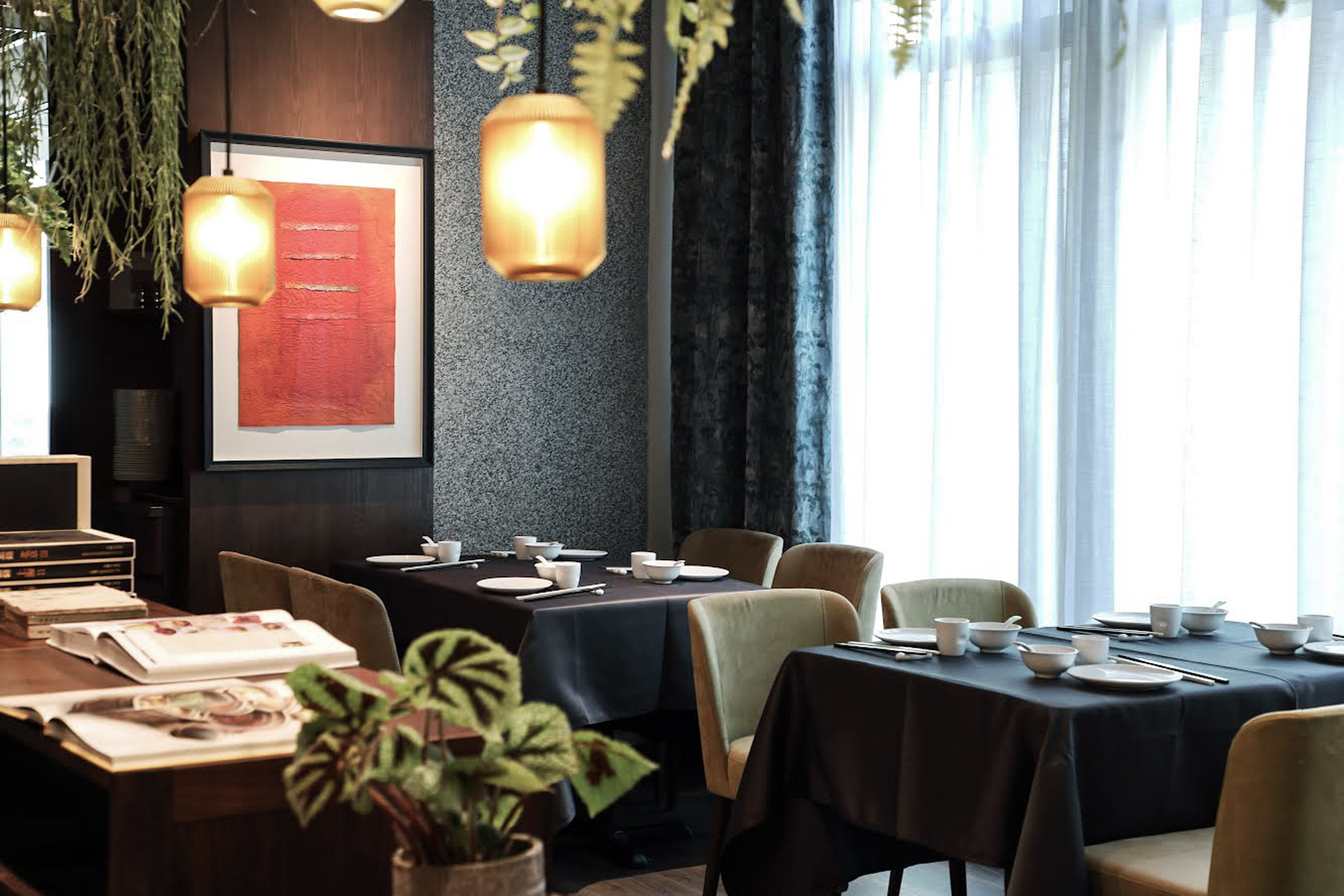 Photo Credit: The Chairman
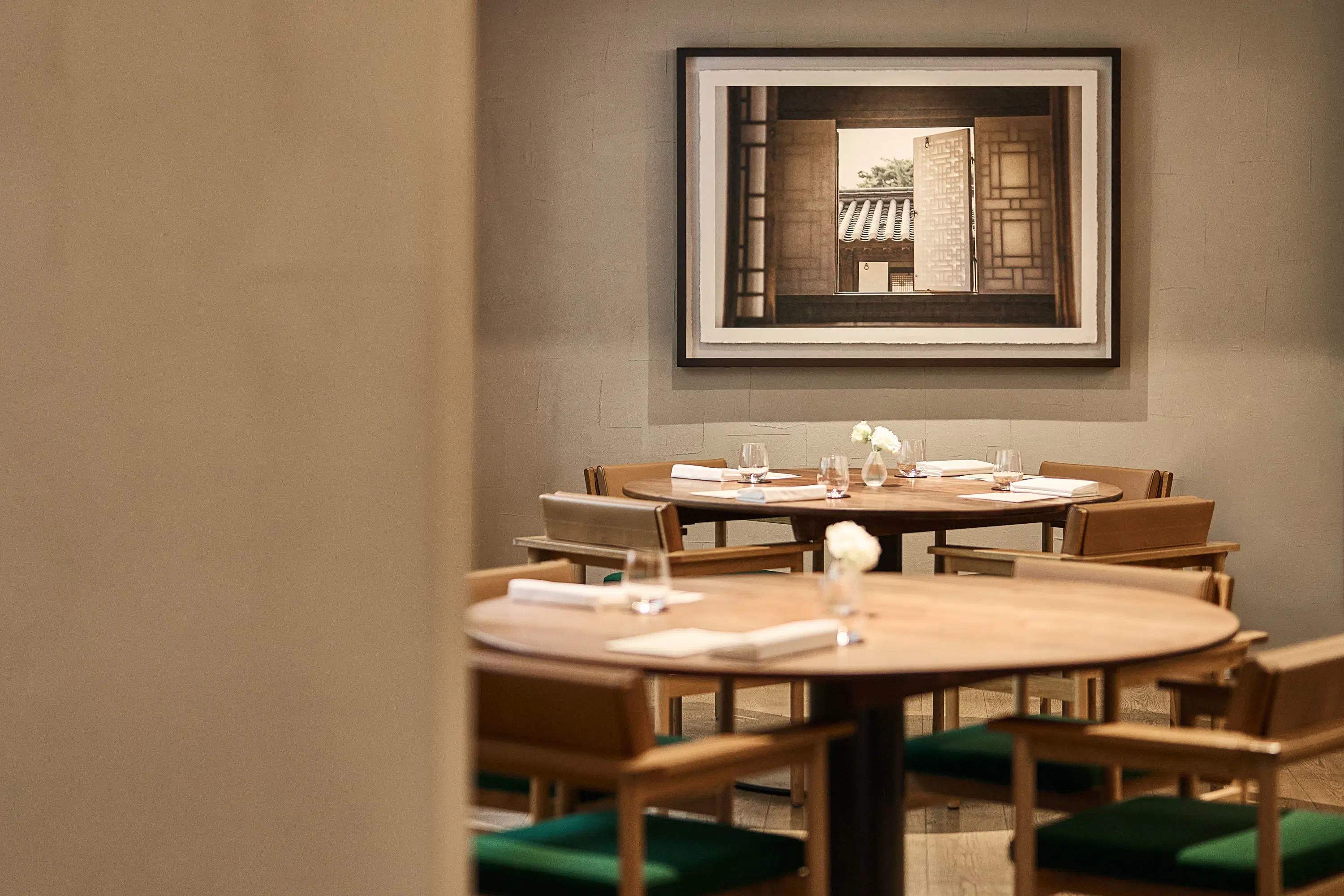
In Seoul, Mingles offers another model, bringing Korean culinary traditions into conversation with contemporary techniques and ingredients. Its identity is grounded in reinterpretation rather than spectacle alone, showing how cultural heritage can provide a foundation for innovation.
 Photo Credit: Mingles
For independent operators, these examples offer an important lesson: creative leadership can generate recognition, but the concept must deliver a coherent experience beyond the chef's reputation. A distinctive philosophy, consistently expressed through food, service, and presentation, provides a stronger foundation for long-term loyalty than novelty alone.
Guest-chef collaborations, seasonal menus, culinary residencies, and partnerships with local producers can also keep a restaurant relevant. Rather than treating the opening as the culmination of a concept, operators can build an evolving programme that gives diners reasons to return and creates new opportunities for engagement.
Designing the Experience Beyond the Plate
When people travel for a meal, their expectations begin long before the first course. The approach to the venue, the welcome at the door, the atmosphere, the rhythm of service, and the interaction between dishes all shape the memory they take away.
Architecture and interior design therefore become strategic components of destination dining. An intimate chef's counter can bring guests closer to the cooking process. A restored heritage building can provide a sense of continuity with the past. A restaurant surrounded by mountains or farmland can make the landscape an essential part of the experience.
In Indonesia, Locavore NXT offers a compelling example of how culinary creativity and environmental thinking can define a restaurant's identity. The concept builds on the Locavore team's emphasis on local ingredients, experimentation, and sustainability, incorporating a more immersive approach to food and its production. By connecting ingredient sourcing, culinary research, and the wider food system, the restaurant gives diners a way to engage with questions about sustainability through a tangible experience.
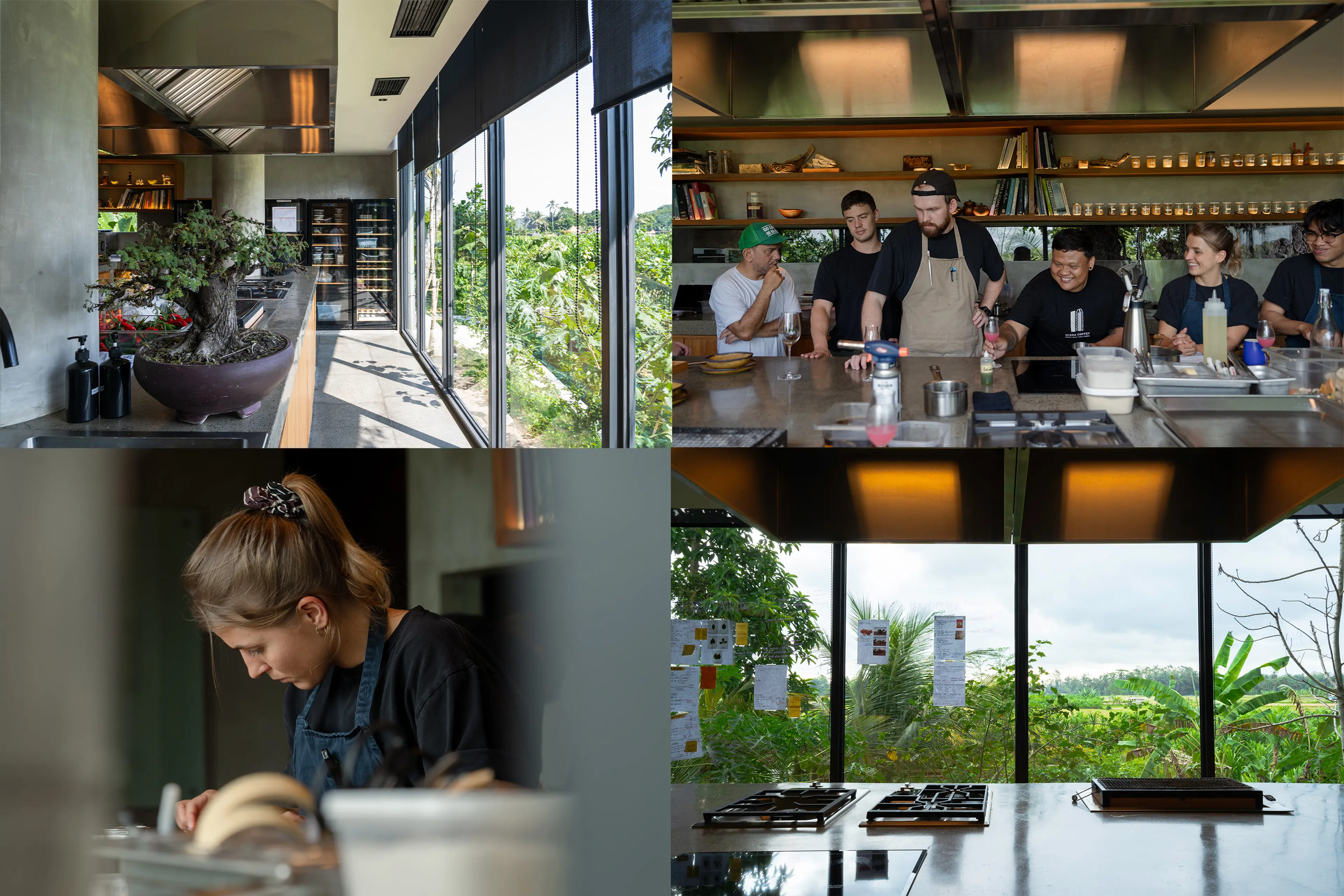 Photo Credit: Locavore NXT
Not every restaurant needs an elaborate environment to create a similar connection. A neighborhood eatery known for a particular regional dish, a bar specializing in local spirits or a market-based dining concept can become equally memorable through authenticity, consistency, and a strong relationship with its community.
The objective is not to make every meal theatrical. It is to ensure that the setting, service, and cuisine reinforce a clear identity. When these elements work together, the experience feels distinctive rather than manufactured.
The Business Case for Destination Dining
A restaurant that attracts visitors beyond its immediate neighborhood can generate demand independently of local foot traffic. Advance reservations, private dining, culinary events, and brand collaborations create additional revenue opportunities, while visitors may also explore nearby attractions, book accommodation, or extend their stays.
However, popularity alone does not guarantee profitability. Destination restaurants must balance investment in ingredients, staffing, and distinctive experiences with pricing, operating margins and repeat visitation. Long-term success depends on delivering consistent quality beyond the initial excitement of a new opening.
For destinations, the opportunity extends across the wider culinary ecosystem. Independent restaurants, neighborhood cafés, traditional markets, and contemporary dining concepts can collectively strengthen a place's appeal, creating reasons for travellers to explore beyond familiar itineraries.
Giving People a Reason to Make the Journey
The rise of destination dining signals a broader shift in hospitality: food is no longer simply a service to be consumed, but an experience capable of shaping how people discover and remember a place.
Whether through cultural heritage, culinary experimentation, regional ingredients or immersive design, successful concepts share a clear sense of purpose. They offer something distinctive, deliver it consistently and create an emotional connection that extends beyond the meal itself.
For the hospitality industry, this presents an opportunity to rethink the role of F&B in shaping memorable destinations. The most compelling experiences are those that bring together culinary creativity, thoughtful design, genuine hospitality and a meaningful connection to place.
This spirit of innovation and distinction is also central to the 2027 Asia Hospitality Awards (AHA), which celebrates excellence and meaningful contributions across Asia's hospitality industry. Under the theme “Visionary Asia”, the awards invite hotels, resorts and hospitality businesses to showcase the ideas and experiences shaping the future of the industry.
As destination dining continues to redefine hospitality, the 2027 AHA offers a platform to recognize the properties and teams setting new standards for memorable guest experiences across Asia.