A Hundred Ways To Imagine: Kulthida Songkittipakdee On The Art Of Experimentation
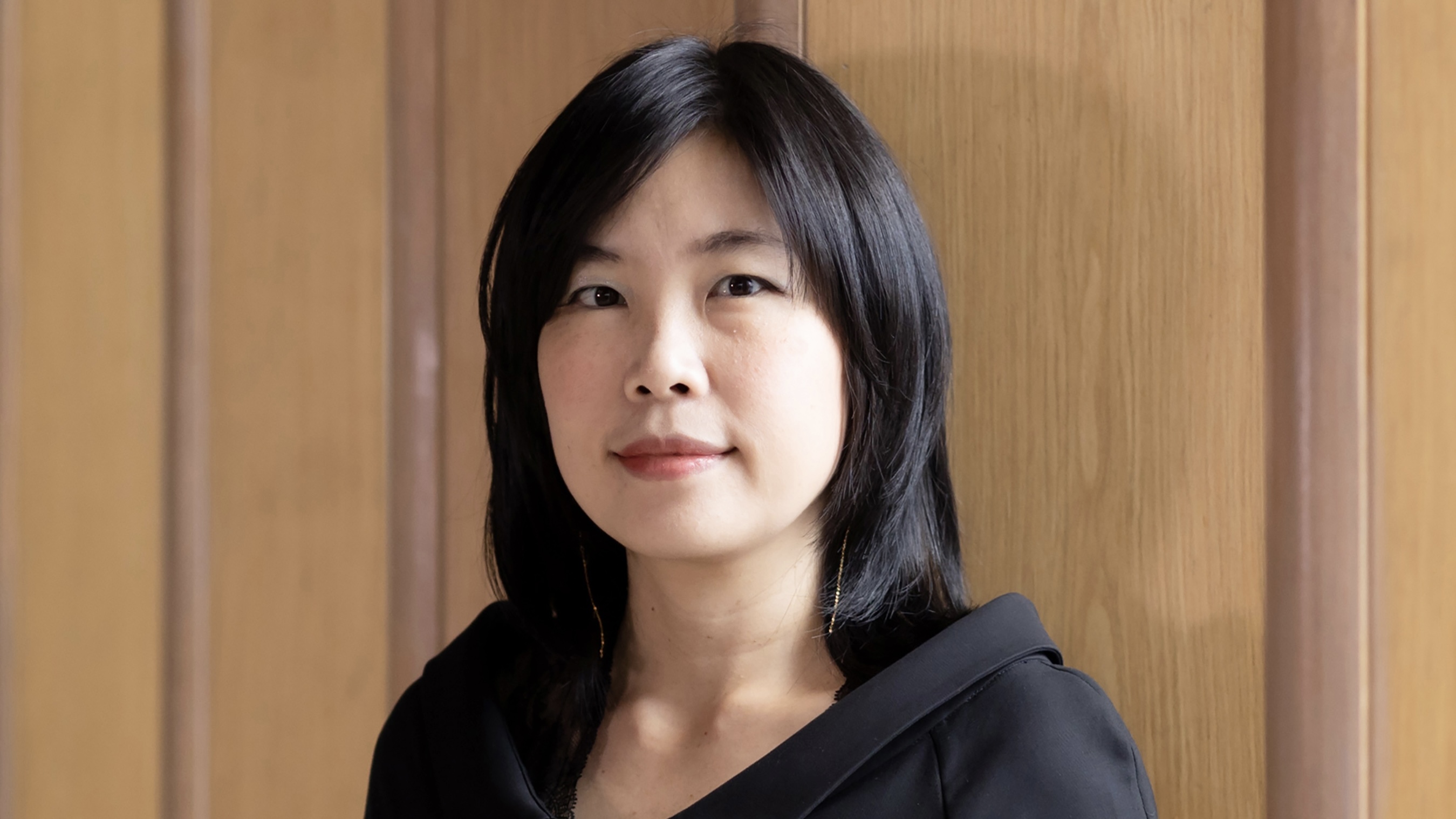
For Professor Kulthida Songkittipakdee, co-founder of Jenchieh Hung + Kulthida Songkittipakdee / HAS design and research, meaningful architecture begins with curiosity, develops through experimentation, and finds its purpose in the lives it touches. Her philosophy offers a compelling perspective on what makes a design practice distinctive and what allows its ideas to resonate beyond borders.
What makes a building worth remembering? Is it its form, its materials, the experience it creates, or the thinking behind its existence?
For Professor Kulthida Songkittipakdee, these questions are inseparable. The Thai architect and educator, who leads Jenchieh Hung + Kulthida Songkittipakdee / HAS design and research alongside Professor Jenchieh Hung, has built a practice around questioning conventions and exploring possibilities. From the Museum of Modern Aluminum in Thailand to the Simple Art Museum in China, her work reflects a sustained interest in the relationship between architectural ideas, material expression and human experience.
Her professional journey has also taken her through Renzo Piano Building Workshop in Paris, architectural education across Asia, international publishing and the jury of the RIBA International Awards for Asia Pacific in 2025. Yet when reflecting on what has shaped her practice, Songkittipakdee returns not to a formula for success, but to a willingness to experiment, accept uncertainty and discover meaning along the way.
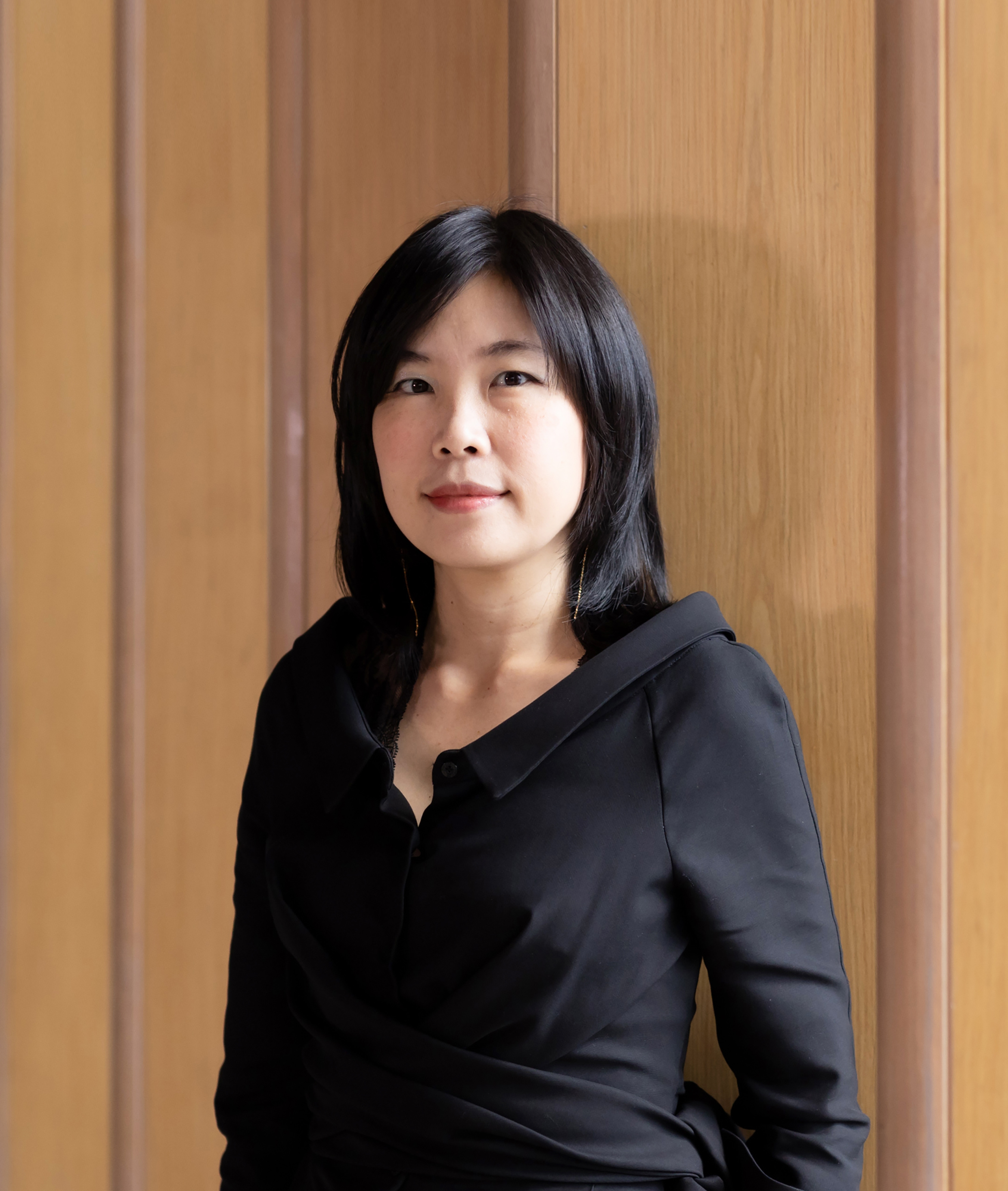 Professor Kulthida Songkittipakdee - Co-founder of Jenchieh Hung + Kulthida Songkittipakdee / HAS design and research
The courage to follow an idea
“I have always wanted to challenge myself, break the rules, and create something more exciting and different”, Songkittipakdee has explained. “Because of that, I have also experienced many failures in my life.”
Rather than viewing failure as something to avoid, she sees it as part of the process through which a designer develops a clearer understanding of their work.
“I see every failure as a dot. At the beginning, I may have no idea what that dot means. Then, after one year, three years, or five years, I can start to connect those dots into a line. Eventually, those lines become an area, and I can begin to understand the bigger picture.”
This perspective challenges the expectation that every professional decision must produce an immediate, measurable result. In architecture, an experiment may not lead directly to a finished project, yet it can introduce a material insight, a new way of thinking about space or a question that becomes significant years later.
“There is no formula for success”, she says. “So, I would say, try to be a little foolish. Be willing to try something that others may not understand, challenge yourself, and do things without knowing exactly where they will lead.”
For Songkittipakdee, creative ambition is therefore less about predicting the outcome than remaining open to discovery. It requires the confidence to pursue an unfamiliar direction and the patience to recognize what each experience contributes to the larger picture.
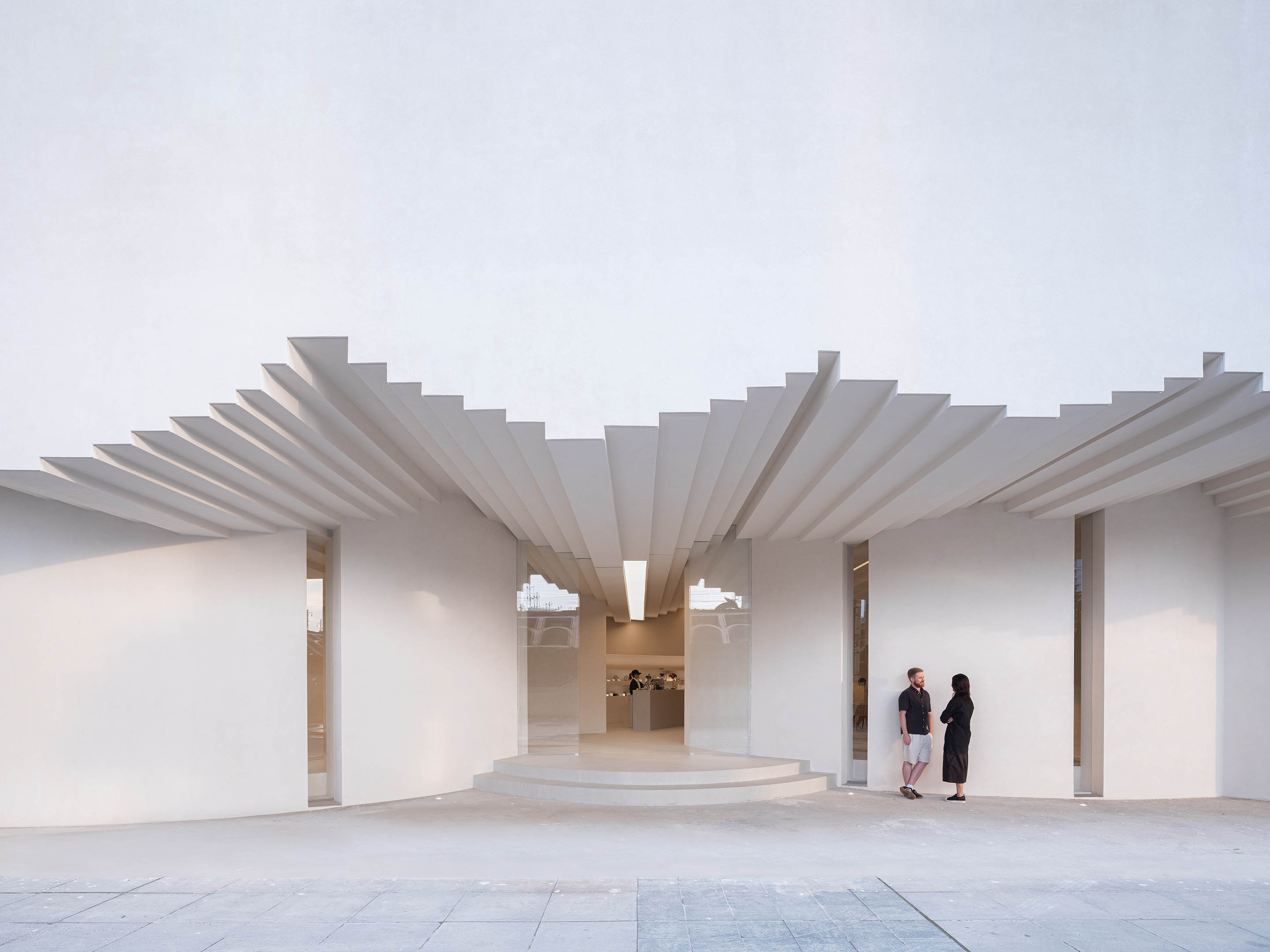 Simple Art Museum by Jenchieh Hung + Kulthida Songkittipakdee - HAS design and research
One hundred options, one meaningful direction
At HAS design and research, this philosophy becomes tangible through an intensive process of experimentation. A single project may develop through more than one hundred design options, encompassing architectural forms, spatial studies, material textures and physical models at different scales.
The approach reflects lessons from Songkittipakdee's time at Renzo Piano Building Workshop in Paris, where she encountered a design culture deeply engaged with sketches, hand drawings and physical exploration.
“When I was at Renzo Piano Building Workshop in Paris, most of my colleagues developed their ideas physically rather than virtually”, she recalls.
That experience continues to inform her practice today. Although she recognizes the value of artificial intelligence, 3D modelling, and digital visualization, she remains committed to the discoveries made through direct engagement with materials.
“When you draw something by hand or build a model yourself, you can feel the material, the scale, the space, and the relationship between different elements in a different way”, she explains. “Sometimes, when you work directly with your hands, you can discover something that you did not expect.”
The distinction is not between traditional and contemporary tools, but between using technology to support an idea and allowing a tool to determine the creative process.
“I don't think having more technology necessarily means having better architecture. For me, technology is a tool. I don't want the tool to decide how I design.”
This belief places experimentation at the heart of innovation. Rather than accepting the first solution that looks convincing, the architect continues to test, reconsider and refine until the idea becomes strong enough to communicate to clients, builders and collaborators.
As Songkittipakdee puts it, “The most important thing is not only about what you design, but about how you work.”
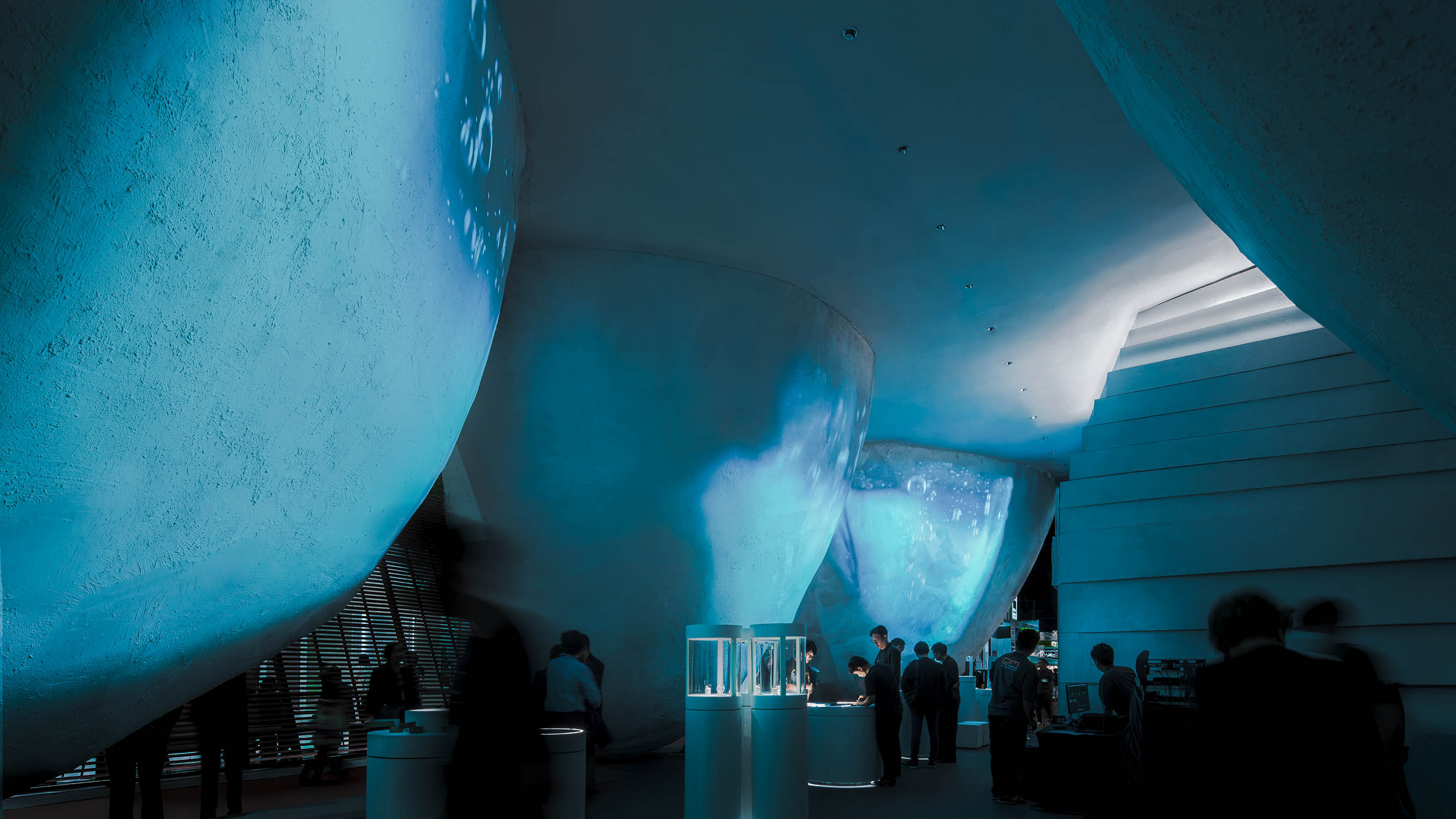 Mega Hill and Common Earth by Jenchieh Hung + Kulthida Songkittipakdee - HAS design and research
Designing life, not just form
The commitment to experimentation ultimately serves a larger purpose: creating architecture that responds meaningfully to people and place.
Songkittipakdee's interest in material research, visible in projects such as the Museum of Modern Aluminum in Thailand, demonstrates how exploring a material can open up new architectural possibilities. Yet technical innovation alone is not the destination. The resulting space must also contribute to the experience of those who use it.
“We like spaces that feel loose, relaxed, and impressive, rather than overly controlled or rigid”, she says. “For me, architecture is not simply about designing a form. It is about designing life.”
This understanding moves architectural quality beyond the visual image. A building may be photographed and published, but its deeper significance emerges through how people inhabit it, how it accommodates everyday activities and how its spaces shape encounters and relationships.
Such an approach also demands an awareness of practical realities. Architecture must respond to budgets, timelines, construction processes, clients, and the people responsible for bringing an idea to life.
“When you take on a project, you are not only responsible for the design”, Songkittipakdee explains. “You are responsible for your team, your consultants, your client, and the final result.”
For her, creative conviction and professional responsibility must develop together. Sometimes an architect must protect the original idea; at other times, the idea must adapt to the conditions of its realization. The challenge is knowing the difference without losing sight of the project's underlying purpose.
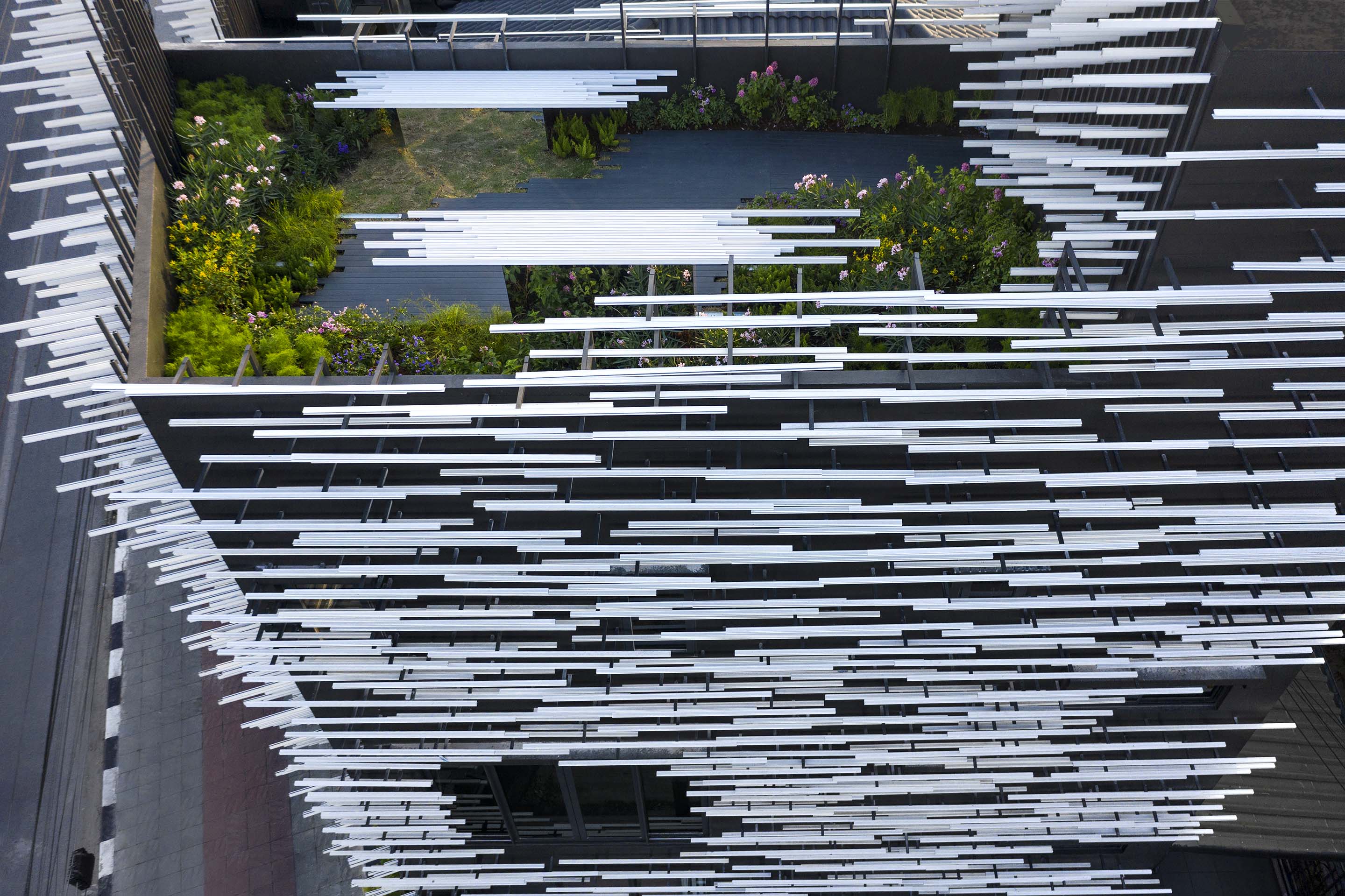 Museum of Modern Aluminum Thailand by Jenchieh Hung + Kulthida Songkittipakdee - HAS design and research
A small studio, without small ambitions
Songkittipakdee's approach to practice also questions a familiar assumption in the architecture industry: that greater scale necessarily brings greater creative influence.
Having established HAS design and research with Hung after years of experience working with internationally renowned architects, she understands that professional reputation does not automatically translate into opportunities when starting an independent practice.
Her first commission was a residential interior project whose client later placed it on hold. Although the client had already paid the design fee, Songkittipakdee decided to return the entire amount.
“I did not win that first project, but I gained something more valuable: their trust.”
The client subsequently recommended her to friends, turning an unsuccessful commission into the beginning of a professional relationship built on integrity.
“When you are starting a practice, you cannot only think about money or the number of projects. You need to build trust”, she says. “For a young practice, that trust became one of our most important forms of capital.”
The principle extends to how she and Hung manage their studio. Maintaining a manageable team, she believes, preserves the freedom to explore ideas without allowing the pressure to generate a constant volume of commissions to dictate the work.
“Great design needs time and effort. You cannot expect yourself and your team to produce a perfect design in just one day or one week.”
Her experience offers an alternative vision of growth: one in which a practice becomes influential through the clarity of its ideas and the quality of its work, rather than the number of projects it produces.
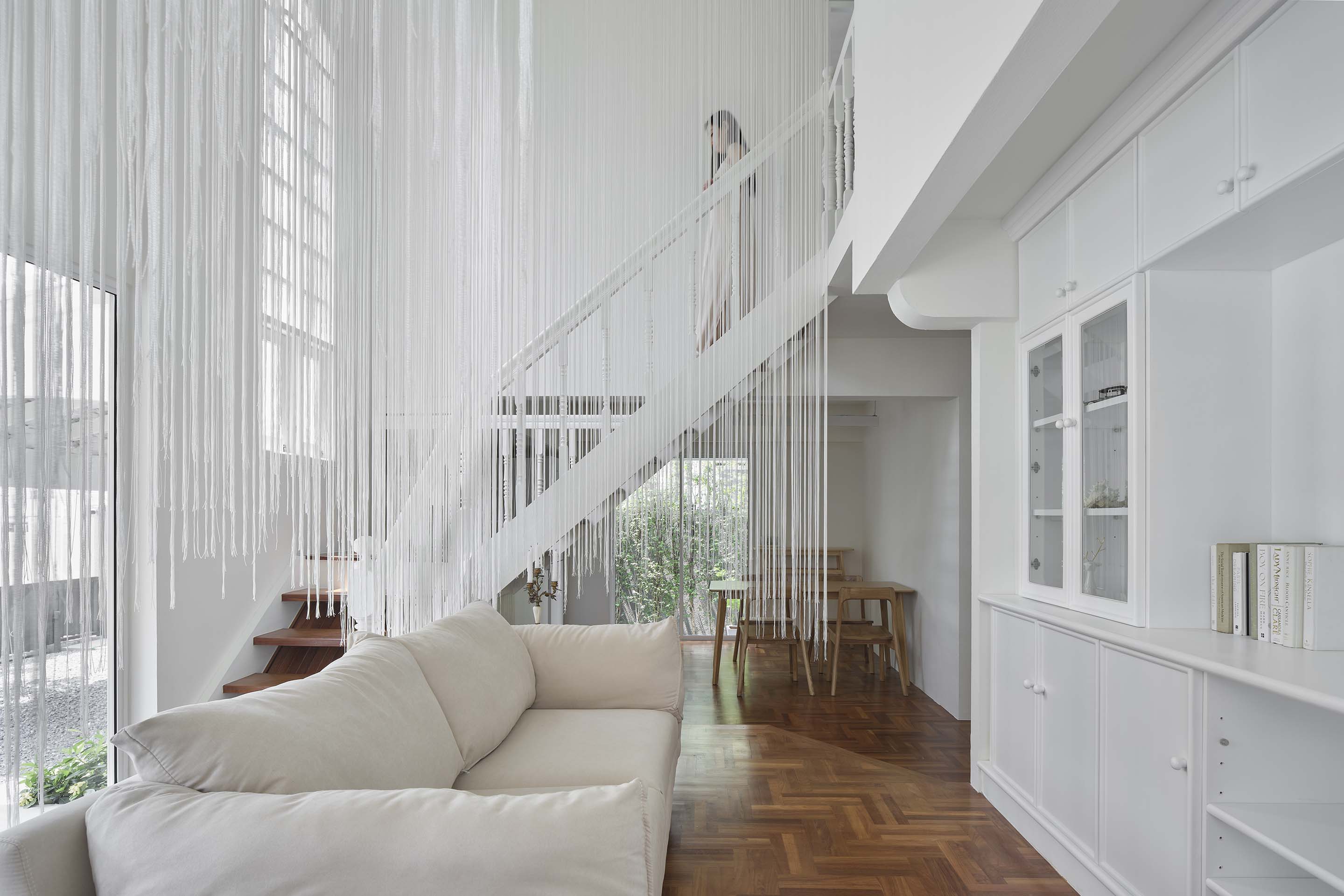 InJoy Snow Hotel Bangkok by Jenchieh Hung + Kulthida Songkittipakdee - HAS design and research
From recognition to a wider conversation
For Songkittipakdee, international recognition has value, but it should never become the primary reason for creating architecture.
“I never think about media as something that can directly bring us clients”, she says, noting that visibility can also create expectations that do not necessarily align with a studio's design philosophy.
Her advice is straightforward: “Invest in making great architecture. Let the architecture speak for you.”
Nevertheless, she recognizes the importance of platforms that help good work reach wider audiences. Publications, lectures, exhibitions, and awards can introduce practices to people who might otherwise never encounter their projects. They can also create opportunities for dialogue and collaboration across countries and generations.
This is particularly relevant to emerging Asian practices, many of which develop distinctive ideas without the resources or international networks available to larger firms.
Songkittipakdee encourages young studios to establish a clear identity, focus on the quality of their projects, communicate their work professionally and build relationships across Asia. Awards, in her view, can form part of this process - not as the ultimate objective, but as a means of bringing meaningful work to the attention of a wider professional community.
Her work as an educator reinforces the same conviction. Opportunities cannot simply be expected or handed to the next generation.
“You need to earn them and work hard for them yourself, and you need to be sincere about what you do”, she tells her students.
Sincerity, in this context, means having something meaningful to contribute and committing to its development, even when the path forward is uncertain.
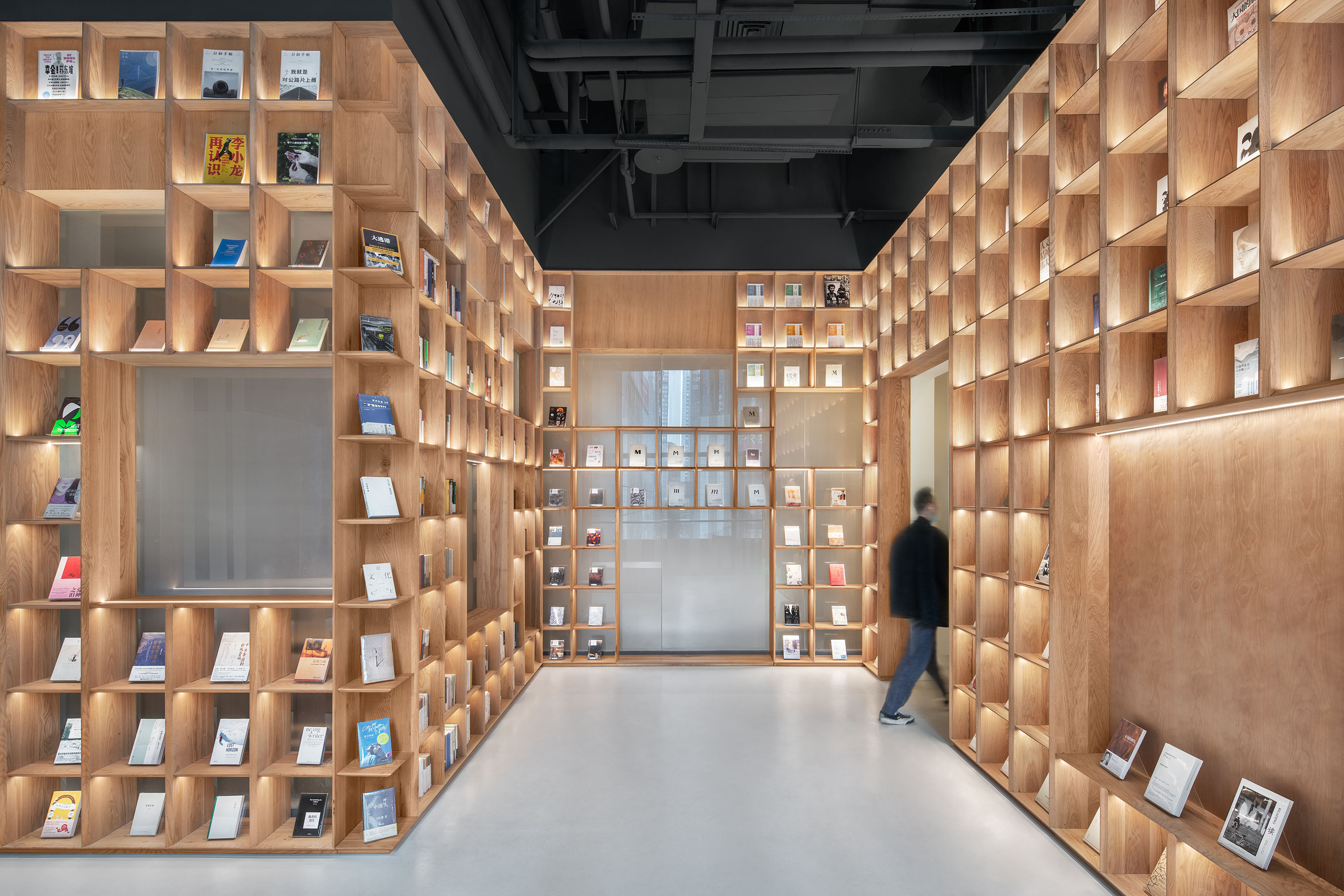 The Glade Bookstore by Jenchieh Hung + Kulthida Songkittipakdee - HAS design and research
Asking better questions about Asia's built environment
As architecture and design across Asia continue to evolve, the opportunity is not merely to produce more striking buildings, but to expand the range of ideas shaping the region's built environment. This calls for recognition that looks beyond appearance alone to consider intention, research, innovation, and the experience a project creates.
For the 2027 Asia Architecture Design Awards (AADA), this perspective takes on particular significance. Professor Kulthida Songkittipakdee joins the 2027 AADA jury, bringing her experience as an architect, researcher, educator, and international juror to the evaluation of outstanding architectural and design work across Asia.
Her philosophy offers a valuable reminder to designers preparing their work for consideration: a compelling submission should communicate more than the finished image. It should reveal the question that initiated the project, the thinking behind its development, the challenges encountered along the way and the contribution it makes to its users or wider context.
After all, as Songkittipakdee asks, “What is the meaning of creating this building? Why does it need to exist?”
These are questions that matter regardless of a practice's size, geographical location, or stage of development. They invite architects and designers to look beyond immediate recognition and consider the lasting significance of their decisions.
As AADA looks towards its 2027 edition, the invitation is open to practices and designers across Asia to share work shaped by curiosity, conviction, and a clear sense of purpose.
The architecture that moves the profession forward is not necessarily the architecture that says the most. It is the architecture that gives us something meaningful to think about, and a compelling reason to ask what comes next.
Images courtesy of Jenchieh Hung + Kulthida Songkittipakdee / HAS design and research