Materials With A Story: Rethinking What We Build With
Beyond Appearance: The Meaning Behind Materials
Every material carries a history. Timber bears the marks of time, stone reflects the geology of a place, and handmade surfaces reveal the skill of the people who shape them. Yet, in an industry long driven by visual impact, cost, and construction efficiency, the origins and afterlives of materials have not always received the attention they deserve.
Today, that perspective is changing. Across Asia, architects, interior designers, and furniture makers are reconsidering what they build with, questioning conventional material choices, and exploring how existing resources can serve new purposes. Sustainability remains an important driver, but the conversation extends further: towards cultural identity, material authenticity, craftsmanship, and the possibilities unlocked when traditional knowledge meets contemporary technology.
Rather than treating materials as passive components, designers are increasingly allowing their properties, histories, and limitations to inform the creative process from the beginning. The result is an approach to design in which environmental responsibility and aesthetic ambition are not opposing priorities, but complementary forces.
Timber Reimagined: From Natural Resource to Architectural Expression
Few materials illustrate this shift as clearly as timber. Valued for its warmth, adaptability and tactile character, wood has long been integral to Asian architecture. Today, it is finding renewed relevance through both the recovery of existing timber and the development of more precise, adaptable construction systems.
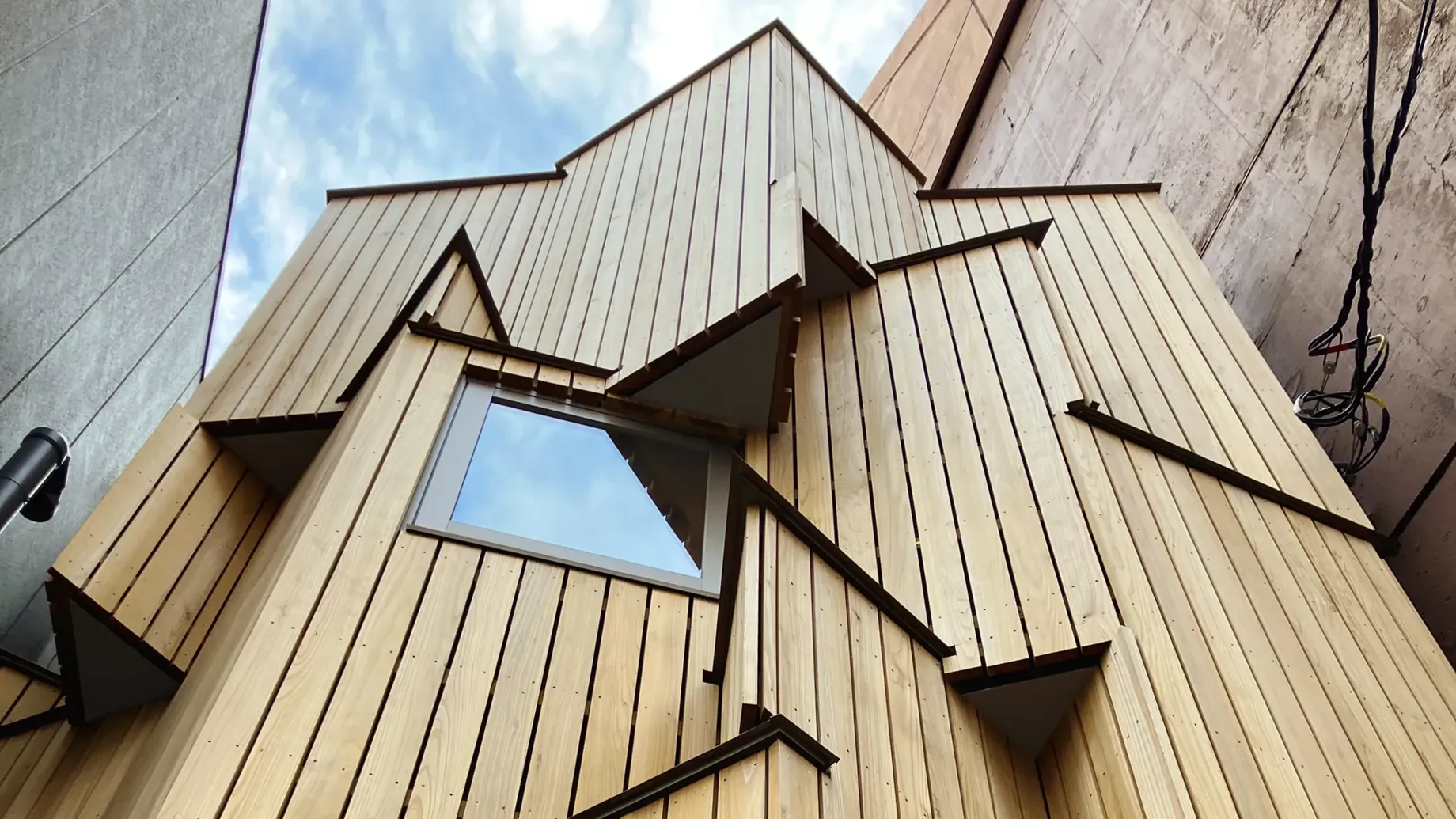
In Tokyo, prewood, a compact timber-framed building developed by VUILD with structural engineering and sustainability expertise from Arup, demonstrates how digital fabrication and traditional Japanese carpentry can work together. The two-storey structure occupies an exceptionally narrow urban site measuring just four metres wide and 12 metres deep. Precision-led fabrication helped simplify assembly and reduce the demands of on-site construction, while the building's demountable and relocatable design offers an alternative to treating urban structures as permanent, single-use assets.
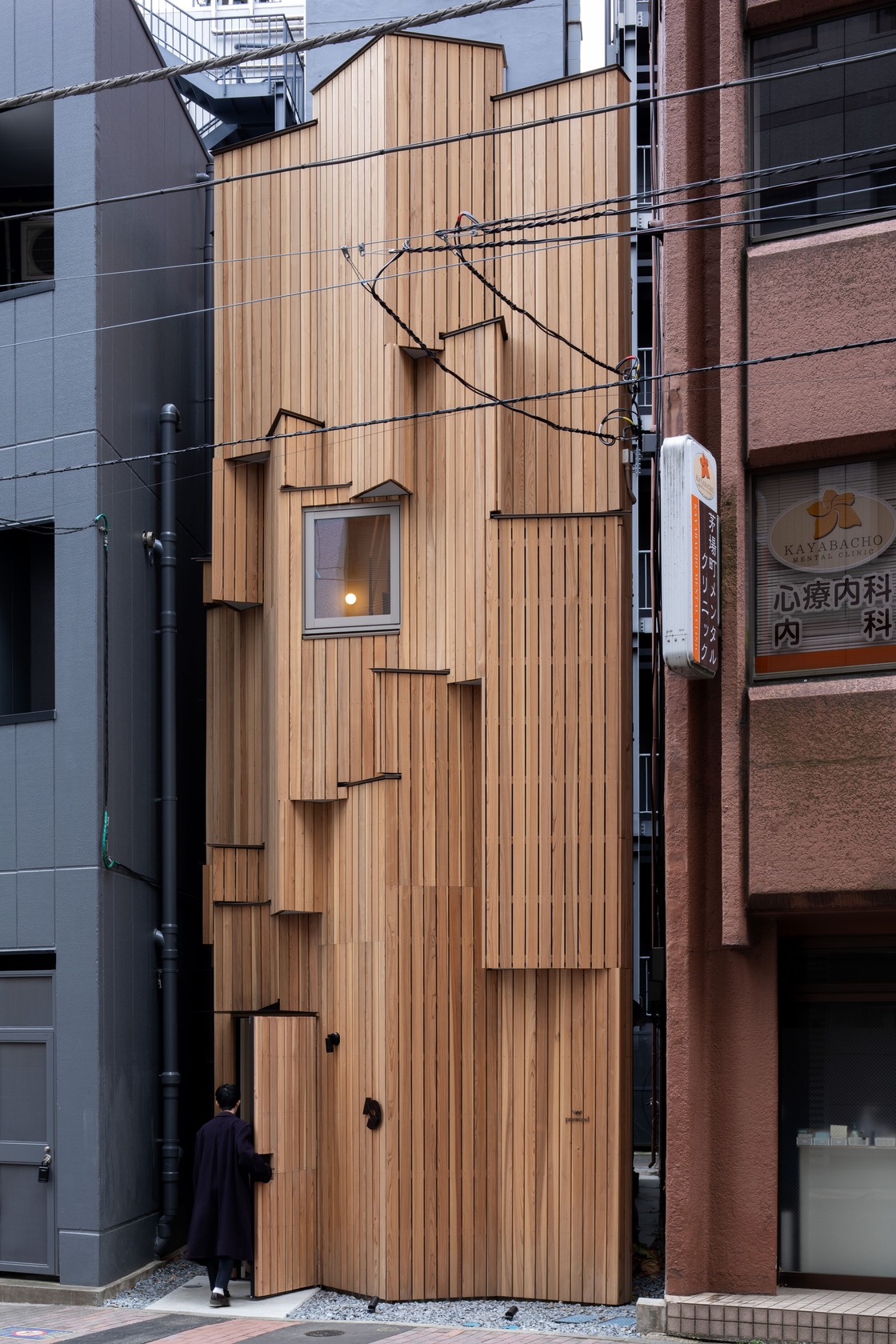 Photo Credit: VUILD
In northeastern Thailand, Nachan The Antique Courtyard Hotel, designed by PAVA architects, takes a different route to material innovation. The property incorporates reclaimed timber recovered from old houses, abandoned warehouses, and local rice mills. Handmade bricks and earth plaster mixed with native grass extend this material language, connecting the architecture to the surrounding Mekong landscape. Collaboration with local craftspeople also helped translate regional building knowledge into a contemporary hospitality setting.
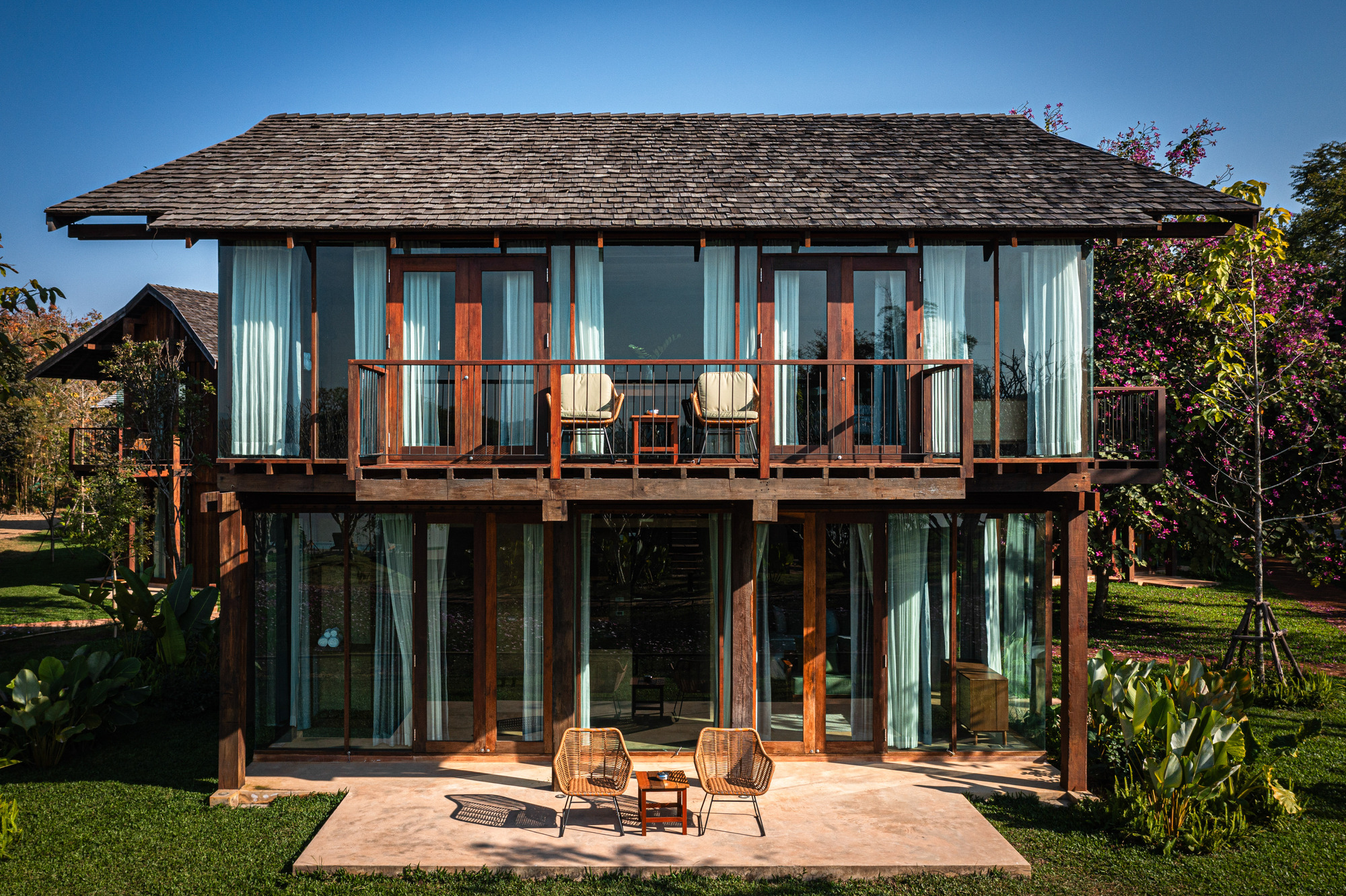 Photo Credit: Nachan The Antique Courtyard Hotel
These projects reveal two complementary possibilities. Timber can be engineered with digital precision to meet the constraints of dense cities, or recovered and reinterpreted to preserve the character of existing resources. In both cases, its value extends beyond appearance: it lies in how intelligently it is sourced, assembled, and allowed to evolve over time.
For architects and designers, the challenge is no longer simply to choose between natural and manufactured materials. It is to understand where a material comes from, how it performs, and what further value it can create throughout its life cycle.
Giving Waste a Second Life: The Rise of Circular Design
If timber invites designers to reconsider the life of natural resources, recycled materials challenge a more fundamental assumption: that discarded objects have reached the end of their usefulness.
Circular design replaces the linear logic of extraction, production, and disposal with a more continuous cycle of recovery, transformation, and reuse. In practice, this means designing products and spaces around materials that already exist, while finding ways to preserve their usefulness and aesthetic appeal.
Vietnamese furniture collection RéNo by UPGREEN Vietnam offers a compelling example. The collection combines recycled plastic with sơn mài, Vietnam's traditional lacquer craft. UPGREEN developed a composite material by processing and compressing single-use plastic waste collected through community donations. The resulting furniture brings together a contemporary material innovation and a heritage craft that faces the risk of disappearing.
The significance of RéNo lies in more than diverting plastic from waste streams. It demonstrates how an unconventional material can become a vehicle for cultural continuity. Instead of treating recycled plastic as a compromise or concealing its origins, the design establishes a new relationship between industrial waste and artisanal expression.
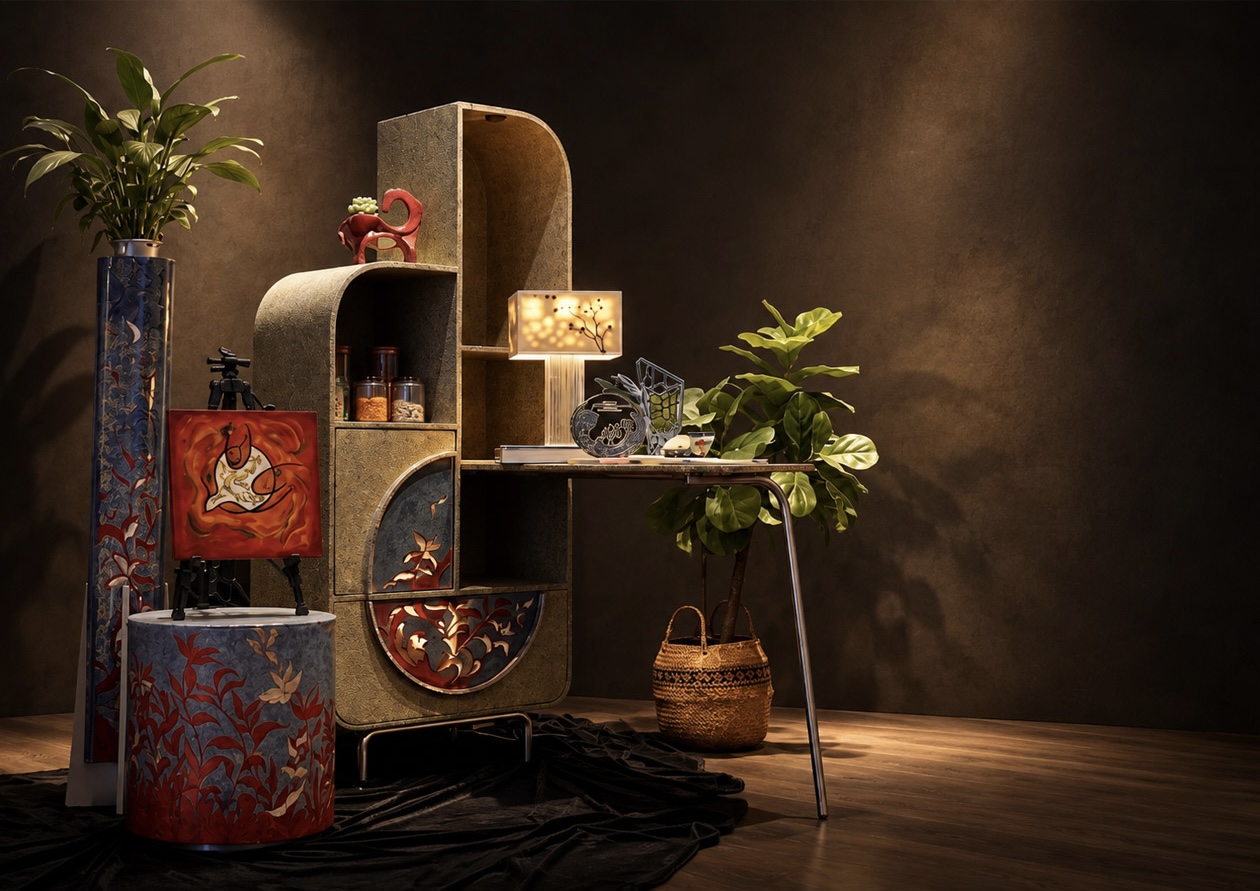 Photo Credit: UPGREEN Vietnam
A similar philosophy shapes the interiors of Roganic Hong Kong, designed by Atelier E. Extending the restaurant's sustainability ethos into its physical environment, the project incorporates tabletops made from typhoon debris, flooring assembled from leftover stone, plaster containing used oyster-shell powder, and reupholstered chairs finished with surplus fabrics.
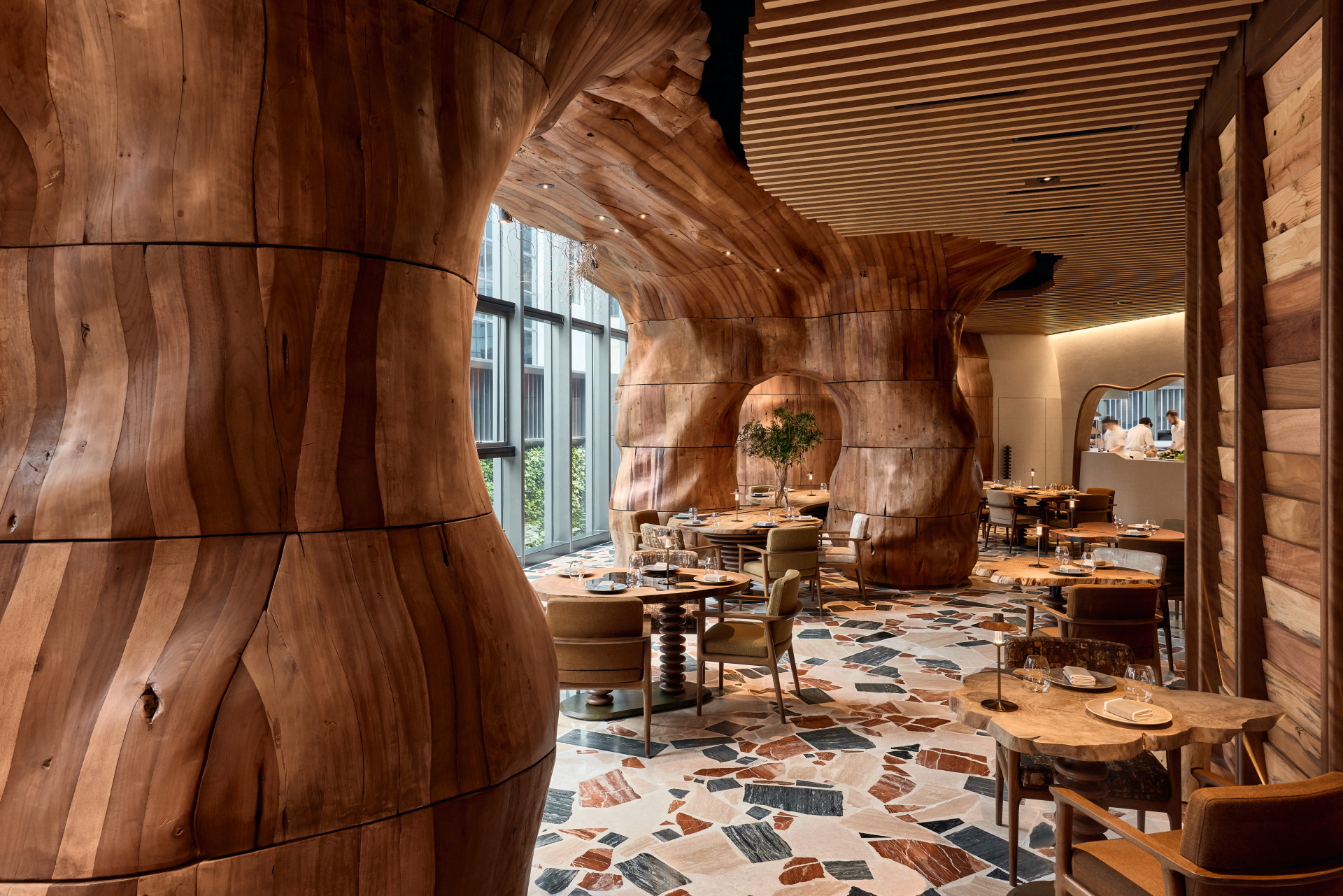 Photo Credit: Roganic Hong Kong
These examples point towards a more nuanced understanding of material reuse. Recycled and reclaimed elements need not look uniform, pristine, or anonymous. Their irregularities can contribute to the identity of a space, while their origins become part of its story.
For interior designers and furniture makers, this opens up new creative territory. The availability, color, texture and dimensions of recovered materials can become starting points for a design rather than constraints to overcome. Such an approach requires thoughtful sourcing and technical evaluation, but it also encourages originality that mass-produced finishes cannot always replicate.
Local Craftsmanship as a Contemporary Design Language
Material innovation does not always begin in a laboratory. Sometimes, it starts with knowledge that has been passed down through generations.
Across Asia, traditional techniques such as Japanese joinery, Vietnamese lacquerwork, handmade brickmaking, and regional timber construction offer valuable insights into how materials can be shaped, connected, and maintained. These practices embody an understanding of local climates, available resources and the relationship between making and place.
The opportunity for contemporary designers is to bring this knowledge into dialogue with current needs without reducing heritage to surface decoration.
At Nachan The Antique Courtyard Hotel, collaboration with local craftspeople helped inform the use of reclaimed timber, handmade bricks, and earth-based finishes. In RéNo, traditional Vietnamese lacquerwork is brought into an unexpected partnership with recycled plastic. Both projects demonstrate how craftsmanship can remain relevant by adapting to new materials, applications, and design ambitions.
This approach also broadens the meaning of sustainability. Preserving craft traditions supports the continuity of specialist knowledge, creates opportunities for local makers, and strengthens the cultural identity of a finished project. Material decisions can therefore influence not only environmental outcomes, but also the communities and creative economies surrounding the built environment.
The most meaningful collaborations are those in which designers and craftspeople contribute to the process together. Rather than adding handcrafted details at the final stage, they allow traditional techniques to shape the design itself, producing outcomes that feel both rooted in place and distinctly contemporary.
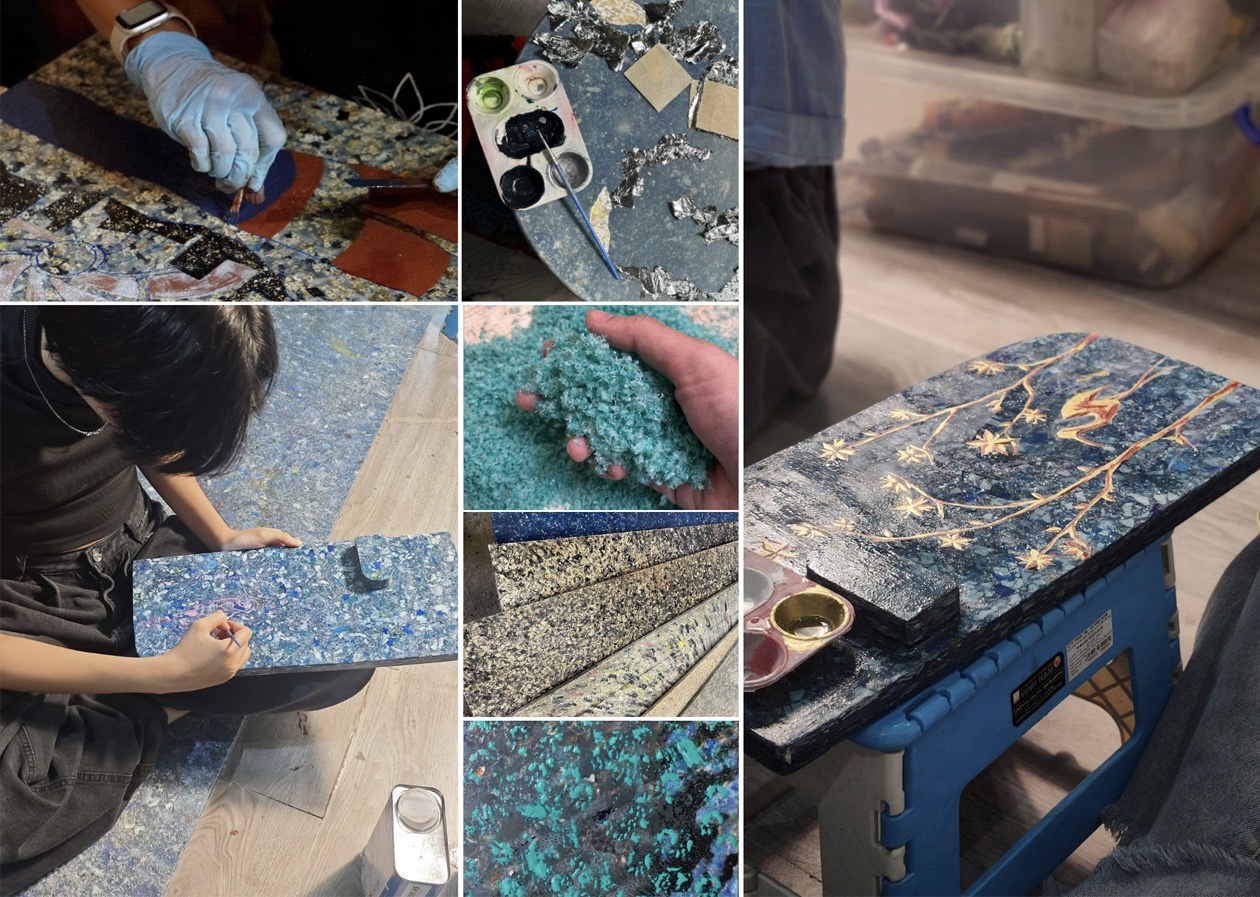 Photo Credit: UPGREEN Vietnam
Digital Fabrication: Precision Meets Material Intelligence
While traditional craftsmanship draws on accumulated experience, digital fabrication introduces new ways to understand and manipulate material behavior. Parametric modelling, computer-controlled cutting, and prefabricated assemblies allow designers to explore complex geometries, improve component precision, and rethink how structures are manufactured and assembled.
The Tokyo project prewood illustrates this convergence. By combining Japanese carpentry principles with advanced digital fabrication, the team developed a building system suited to a highly constrained site. Its demountable construction also introduces the possibility of relocation and future adaptation, extending the design conversation beyond the moment of completion.
For architecture, these methods can help optimize structural components and reduce unnecessary material use. In interiors and furniture, they allow designers to experiment with intricate joints, modular systems and customised forms that would be difficult to produce efficiently through conventional processes.
Importantly, technology does not need to displace craftsmanship. Digital tools can support the precision of traditional techniques, while experienced makers bring an understanding of material grain, tolerances, finishes, and assembly that software alone cannot fully capture.
The most promising innovations emerge when each discipline strengthens the other. Technology expands what is possible; material knowledge determines what is appropriate, durable and meaningful.
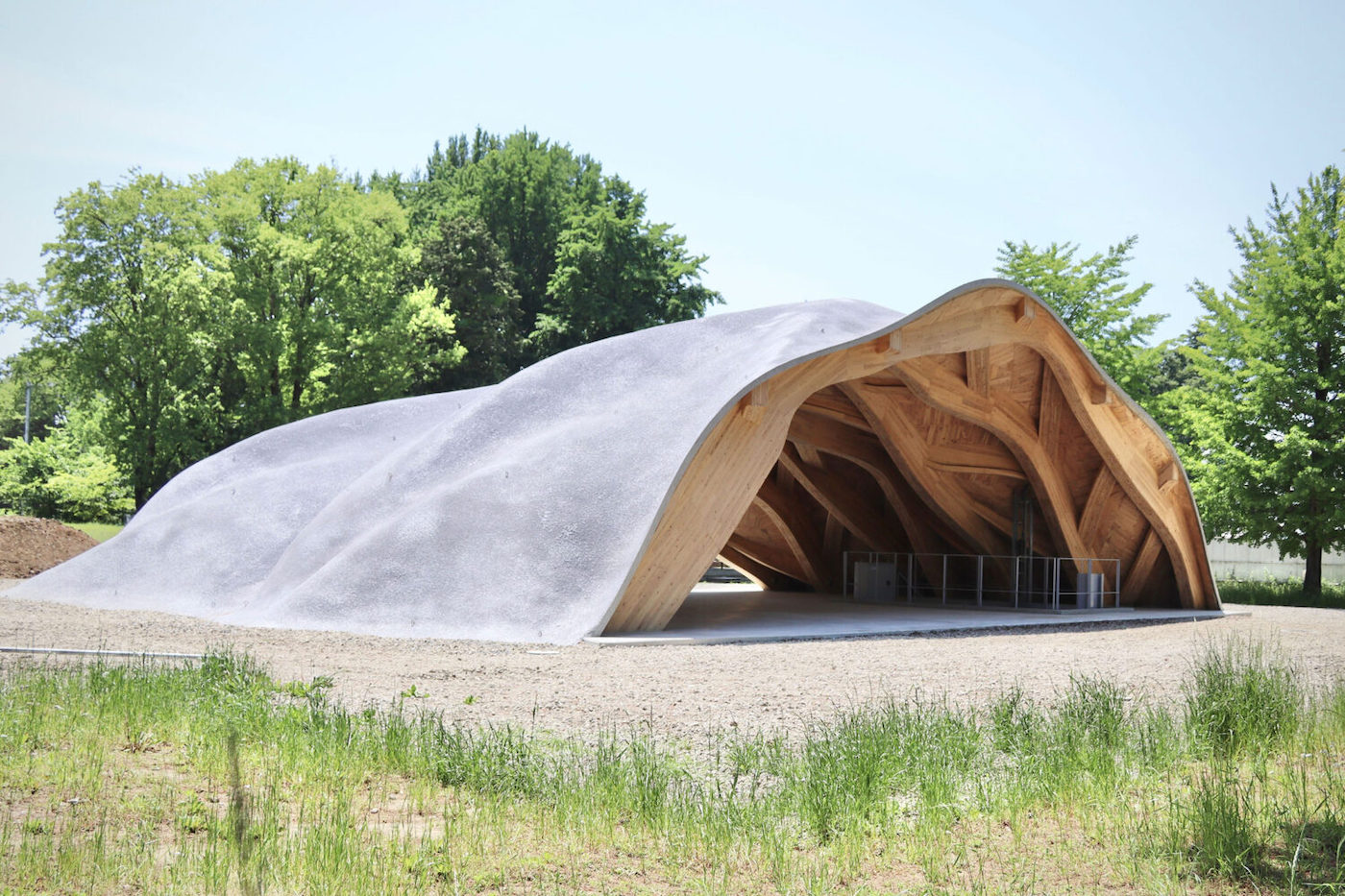 Photo Credit: Takumi Ota
Designing for a Longer Life
Rethinking materials ultimately requires a shift in how design value is measured. A successful project should not be judged solely by its visual impact at completion, but also by how its materials perform, age, adapt and potentially return to use.
This calls for decisions that begin well before construction or production: assessing the provenance of timber, prioritizing suitable locally available resources, evaluating recycled composites, designing components for repair and disassembly, and considering the practical realities of maintenance and future reuse.
It also requires a balanced understanding of sustainability. Reclaimed or natural materials are not automatically the best choice in every situation. Their benefits depend on factors such as sourcing, processing, transportation, durability and the demands of their intended application. Responsible design therefore involves evaluating the complete material journey rather than relying on a material's label or appearance.
For architecture, interiors, and furniture, this broader perspective creates room for more considered creativity. Materials can contribute to spatial character, express cultural identity, reduce resource consumption, and establish a stronger connection between a project and its context.
The Future Is Built on Better Choices
Asia's evolving material landscape demonstrates that innovation does not always require inventing something entirely new. Sometimes, it means rediscovering the potential of timber, finding another purpose for discarded plastic, working alongside local craftspeople or using digital tools to make established techniques more adaptable.
Each decision changes more than the appearance of a finished space. It influences the resources consumed, the knowledge preserved and the possibilities available to future generations of designers.
For the architecture and design community, the next chapter is not only about building with new materials, but also about asking better questions of the materials already at hand, and recognizing that the most compelling designs are often those that give existing resources a meaningful future.
Unveil the ideas shaping Asia's design future with the 2027 Asia Architecture Design Awards (AADA). Under the theme “Visionary Asia”, AADA celebrates outstanding achievements in architecture, interiors, and furniture design, recognizing projects that challenge conventions and offer new perspectives on the built environment. Explore the categories and prepare your submission for the 2027 awards.